How to Choose the Right Terminal Strip for Your Project?
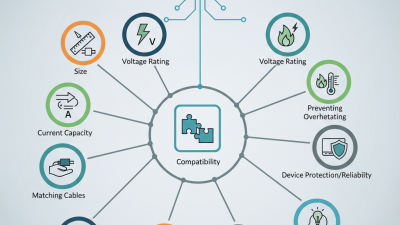
Choosing the right terminal strip for your project is a crucial step in ensuring a successful electrical connection. Terminal strips come in various types, sizes, and configurations, making selection daunting. You may feel overwhelmed by the choices available. Each project demands specific requirements, especially regarding current ratings and voltage levels.
Understanding your project’s needs is essential. Consider factors such as wire gauge, installation method, and environmental conditions. A terminal strip may need to handle more power in high-demand situations. This requires careful analysis. Selecting the wrong type can lead to performance issues or even failures.
Make sure to prioritize quality and reliability. Not all terminal strips are made the same. Research reputable brands and their specifications. It might take time, but ensuring the right choice can significantly enhance your project’s success. Think critically about your options and don’t rush your decision.
Understanding Terminal Strips: Types and Applications
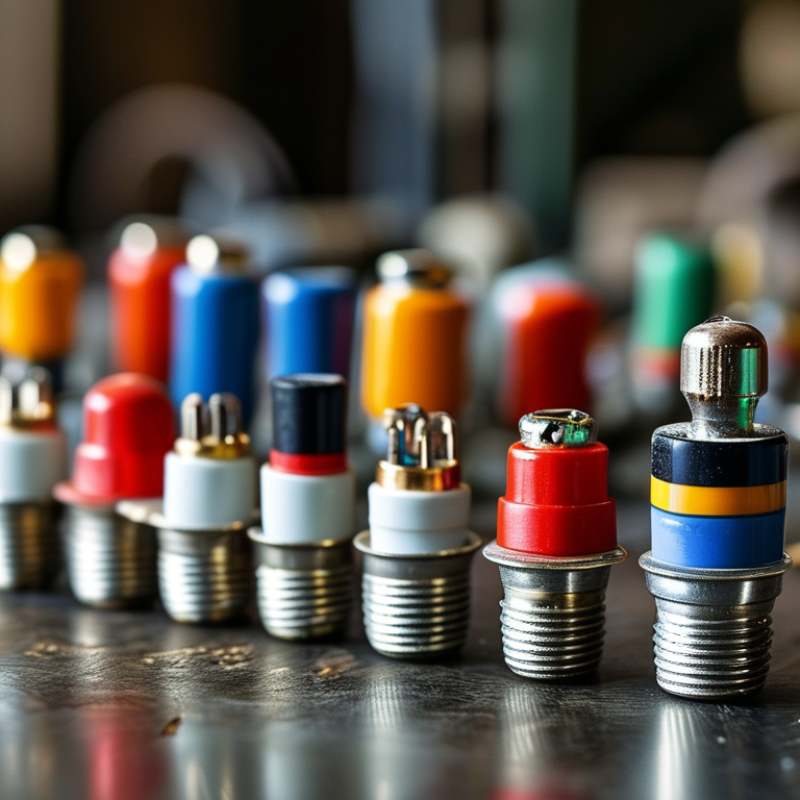
Terminal strips are essential components in various electrical projects. They serve as connection points, allowing for efficient wiring. Understanding the types and applications of terminal strips is crucial for selecting the right one.
There are several types of terminal strips, such as barrier strips, PCB terminal blocks, and screw terminal strips.
Barrier strips are ideal for general applications and offer a straightforward design.
PCB terminal blocks are perfect for circuit boards and allow for compact connections.
Screw terminal strips provide strong mechanical support and are suitable for heavier wires.
When choosing a terminal strip, consider the current rating. Each type has a maximum current capacity. Make sure to select one that matches or exceeds the needs of your project.
Tips: Check the spacing and layout of your connections. This can often lead to smoother assembly. Take time to plan your wiring to avoid mistakes. A messy layout can cause confusion and errors later on.
Key Factors to Consider When Selecting Terminal Strips
When selecting terminal strips for your project, several key factors come into play. One of the most crucial aspects is the current rating of the terminal strip. Each strip has a specific capacity for carrying electrical current. Exceeding this rating can cause overheating or failure. It's advisable to choose a strip with a higher rating than you anticipate needing.
Another factor is the number of terminals required. Terminal strips come in various configurations. Consider your project's wire configuration. If you expect to add components later, opt for a strip with extra terminals. This can save time and resources down the line. Connectivity options also matter. Some terminal strips allow for screw connections, while others may use push-in designs. Each method has its own advantages and drawbacks based on ease of use and reliability.
Material is also important. Terminal strips are made from different materials, affecting their durability and conductivity. For example, using a lower-grade material may lead to failures over time. Take additional time to consider the environment in which the terminal strip will be used. Moisture and temperature can impact performance. Reflect on these aspects thoroughly to avoid potential issues.
How to Choose the Right Terminal Strip for Your Project? - Key Factors to Consider When Selecting Terminal Strips
| Feature |
Description |
Considerations |
| Material |
Common materials include plastic, metal, and ceramic. |
Select based on environmental resistances and electrical properties. |
| Size |
Dimensions vary based on application requirements. |
Ensure compatibility with existing equipment and spatial constraints. |
| Current Rating |
The maximum current the terminal strip can handle effectively. |
Verify that it meets the specifications for your project's power needs. |
| Number of Terminals |
Indicates how many connections can be made. |
Choose based on the number of wires you need to connect. |
| Mounting Style |
Includes options such as din rail, surface mount, or panel mount. |
Select based on installation requirements and space availability. |
| Insulation Voltage |
Voltage level the terminal strip can withstand without breakdown. |
Make sure it exceeds the voltage present in your application. |
Evaluating Electrical Ratings and Specifications
When selecting a terminal strip for your project, electrical ratings and specifications play a crucial role. Understanding the voltage and current ratings is essential. Most standard terminal strips support voltages up to 600 volts, while some specialized types can handle up to 1000 volts. According to a recent industry report, about 80% of electrical failures are linked to improper specifications. This highlights the importance of aligning the terminal strip's ratings with your project's requirements.
Another key factor is the type of conductor used. Terminal strips can accommodate different wire gauges, typically ranging from 12 to 24 AWG. Projects requiring tighter connections may need strips that offer higher clamping force. Notably, connectors that are UL-listed provide an assurance of safety and reliability. Industry experts emphasize that not all terminal strips are created equal. A mismatched strip may lead to overheating or even failure. Regular evaluations and adherence to specifications ensure long-term performance.
Sometimes overlooked, the material composition of the terminal strip can impact reliability. For instance, copper and brass conductors provide superior connectivity but are more prone to corrosion. However, plastic and polymer bases can enhance insulation but may compromise durability. Reflecting on these details can prevent costly mistakes. Selecting the appropriate terminal strip involves a careful balance of specifications, safety, and material choice.
Assessing Physical Dimensions and Mounting Options
When selecting a terminal strip for your project, physical dimensions are crucial. Proper sizing ensures a secure fit within your enclosure. Consider the space available in your design. Measure the width, height, and depth of your enclosure to make informed choices. A terminal strip that is too large may not fit well. Conversely, one that is too small might not accommodate the necessary wiring gauge.
Mounting options also play a significant role. Different terminal strips offer various mounting styles, including panel mount, chassis mount, and din rail mount. Choose a style that matches your project's requirements. A panel-mounted option often provides stability. A din rail mount might allow for easier installation.
While selecting, it's vital to think about wiring needs as well. Improper alignment during installation can lead to malfunction. Therefore, take time to visualize the wiring layout. Ensure accessibility for future modifications or repairs. Making errors here can have lasting effects on the project. Assessing dimensions and mounting options thoroughly can greatly enhance your project's success.
Best Practices for Installing Terminal Strips in Projects
When installing terminal strips, ensuring a solid connection is crucial. Start by assessing the gauge and type of wire you will use. Match them with the appropriate terminal strip specifications. A mismatch can lead to overheating or poor connectivity. Pay close attention to the ratings, including voltage and current capacity.
Pre-wiring components before final assembly can save time. However, avoid rushing this step. Proper insulation and stripping length are important for reliable connections. Too much exposed wire can cause shorts, while too little can weaken the connection. Take your time to inspect every connection. Use a multimeter to double-check continuity if needed.
Always secure terminal strips firmly. Loose connections can lead to vibration issues over time. Many overlook the effects of environmental conditions, such as humidity. If your project is in a damp area, consider the materials used. Corrosion can lead to failures down the line. Regular maintenance checks can ensure long-term reliability.
Terminal Strip Selection by Project Type
 008613968780263

 CONTACT NUMBER
 CONTACT