2026 Best Pin Terminal Types for Your Next Project?
When it comes to selecting the right components for your project, choosing the best pin terminal is crucial. Pin terminals are essential for achieving reliable electrical connections. They play a significant role in everything from basic circuits to advanced electronics. Understanding the different types of pin terminals can enhance project quality and performance.
In 2026, the variety of pin terminal options is growing rapidly. From standard types to specialty designs, the landscape is diverse. Each type has unique features that cater to specific needs. It's important to assess which pin terminal aligns best with your project's requirements. This decision often demands careful consideration of durability, conductivity, and ease of installation.
However, not every option is perfect. Some pin terminals may present challenges in terms of compatibility or performance under certain conditions. Evaluating these aspects can facilitate better decision-making. After all, your choice in pin terminals directly influences the success of your project. Detailed understanding is key to achieving optimal results.
Understanding Pin Terminal Types and Their Applications
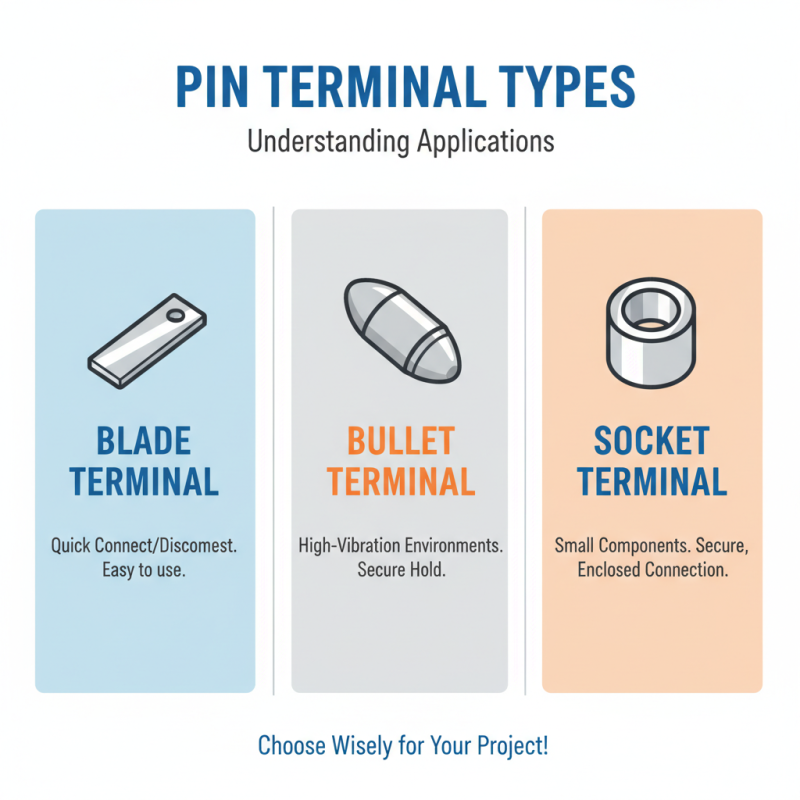
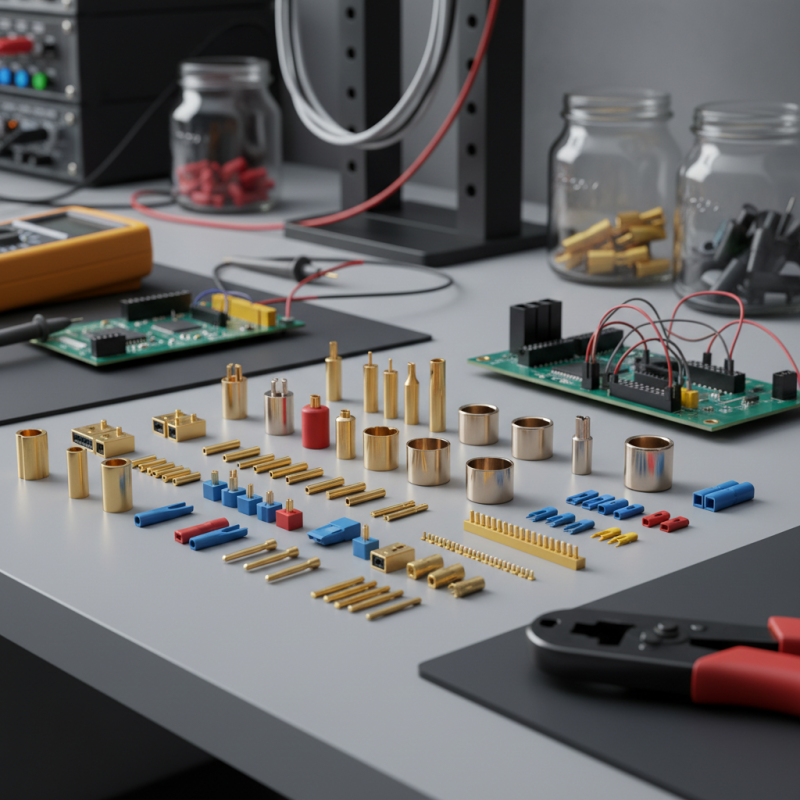
When choosing pin terminals for a project, understanding the different types is essential. Pin terminals vary significantly in design and application. Some common types include blade, bullet, and socket terminals. Each type serves specific functions and environments. Blade terminals are great for quick connections and disconnections. Bullet terminals excel in high vibrations. Socket terminals offer secure connections for smaller components.
Each pin terminal type has its pros and cons. Blade terminals may corrode over time, reducing reliability. Bullet terminals can be tricky to install without proper tools. Socket terminals offer ease but might not be ideal for heavy-duty applications. Consider factors like the electrical load, environmental conditions, and mounting methods when selecting.
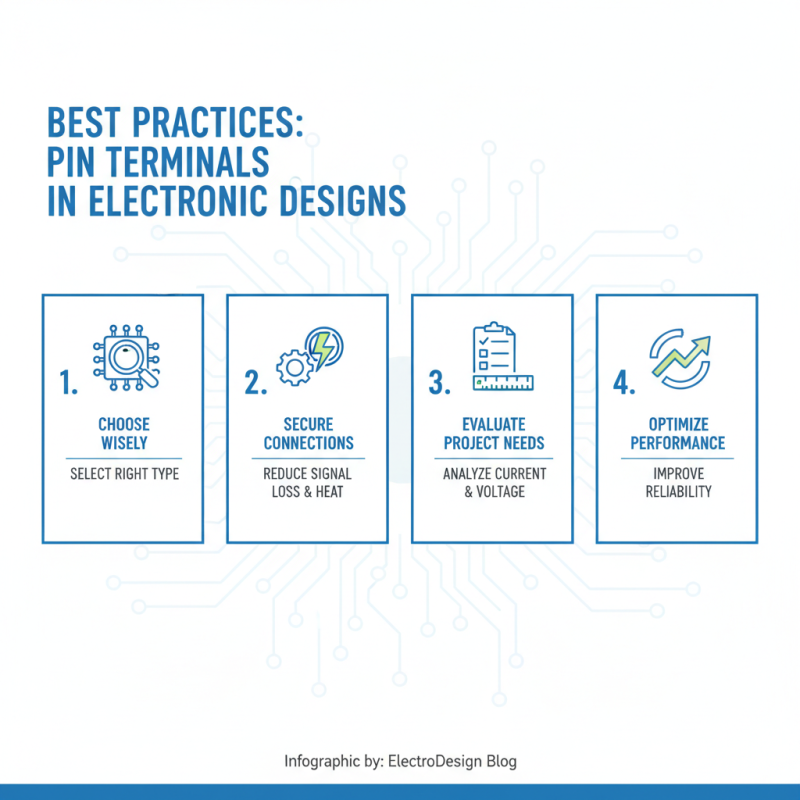
Choosing the right pin terminal is not just about preference. It's about understanding your project's unique demands. Testing and experimentation often reveal the best options. Proper research and advice from experienced users can lead to better decisions. Pay attention to details to avoid costly mistakes. The right choice impacts your project’s overall performance.
Key Features to Consider When Selecting Pin Terminals
When selecting pin terminals for your next project, several key features should be on your radar. The type of material used is crucial. Look for terminals made from copper or brass. These materials offer high conductivity and durability. Consider the thickness of the terminal as well. Thicker options tend to provide better strength but can be less flexible.
Another critical factor is the insulation type. Thermoplastic insulation can offer heat resistance, while PVC insulation is more common and affordable. Pay attention to the pin size too. A size that's too large may not fit well, while one that’s too small can lead to loose connections.
It's essential to assess the application's demands. Higher current applications may need specific terminal ratings. Insufficient ratings could lead to failures. Reflect on the connection type as well, whether it be crimped or soldered. Each method has its strengths and weaknesses. Testing different configurations may reveal the most effective setup. Embrace the iterative process, but remember to address any potential weaknesses or limitations in your choice.
2026 Best Pin Terminal Types for Your Next Project
| Terminal Type |
Material |
Current Rating (A) |
Temperature Range (°C) |
Insulation Type |
| Standard Pin Terminal |
Copper |
15 |
-40 to 105 |
PVC |
| Insulated Pin Terminal |
Brass |
10 |
-20 to 125 |
Nylon |
| Semi-insulated Pin Terminal |
Aluminum |
20 |
-30 to 150 |
Rubber |
| Open Barrel Terminal |
Copper Alloy |
30 |
-40 to 120 |
None |
Comparison of Common Pin Terminal Types for Various Projects
When embarking on a project that requires pin terminals, understanding the different types is essential. The choice of terminal can greatly affect performance and reliability. For instance, Pogo pins are often used in applications needing precise alignment and frequent connections. They have a spring-loaded mechanism that offers a solid contact. But, they can be sensitive to dirt and wear over time.
On the other hand, header pins provide a cost-effective solution. They often come in strip form and are ideal for PCB connections. However, headers can become loose with repeated insertion and removal. It's crucial to evaluate the environment where the terminals will be used. Extreme temperatures and exposure to moisture can affect connection stability.
Moreover, consider the ease of use and maintenance. Some terminals require special tools for assembly, which might not be suitable for all projects. A well-informed choice can help avoid future issues. Reflecting on the specific needs of your project will lead to the most effective terminal selection.
Future Trends in Pin Terminal Technology and Innovations
Pin terminals are evolving rapidly. As we look towards 2026, innovative designs are set to transform how we connect electronic components. The shift towards more compact and efficient designs is a key trend. Manufacturers focus on materials that enhance conductivity and durability. These advancements can lead to longer-lasting connections and reduced maintenance costs.
Tips: When selecting pin terminals for your project, consider the environment where they'll be used. Harsh conditions may require terminals with special coatings. Evaluate their thermal and electrical properties. This will help to ensure optimal performance.
The integration of smart technologies is also accelerating. Some pin terminals now include features like built-in sensors. These can monitor connection integrity in real-time. This innovation allows for proactive maintenance and enhances reliability. However, not all terminals will offer this functionality. It's crucial to verify their specifications.
Tips: Always consult the latest specifications before making a decision. Test in real-world scenarios when possible. This helps identify potential weaknesses in your design. Don't underestimate the importance of feedback. It's essential for continuous improvement in your projects.
 008613968780263

 CONTACT NUMBER
 CONTACT