008613968780263


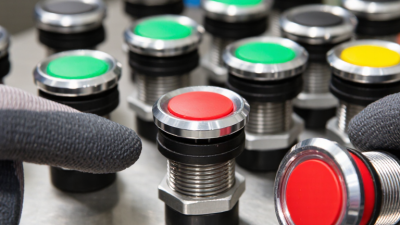
Choosing the right Metal Push Button begins with the machine, not the catalog photograph. A polished bezel may look impressive, yet it can fail in a dusty workshop or a wet control cabinet. The correct choice depends on voltage, current, switching frequency, panel thickness, sealing requirements, and operator behavior. A factory start button may need a bright ring LED, a firm tactile response, and an IP-rated enclosure. A laboratory interface may require quieter operation and a smaller actuator.
Industrial controls specialist John R. Worthington often reminds designers, “A button is not just a switch; it is the operator’s final conversation with the machine.” This practical view matters. Every press should feel deliberate, visible, and predictable. Stainless steel can resist corrosion, but its finish may show fingerprints. Brass can provide a distinctive appearance, but it may not suit every harsh environment. Small details matter.
Test before committing. Mount the Metal Push Button in a sample panel. Press it with gloves, oily fingers, and reduced lighting. Check terminal spacing and wire access. Confirm that the actuator does not sit too close to neighboring controls. It is easy to overlook installation depth. That mistake can delay production.
No selection is perfect. A highly sealed button may feel stiff. A low-cost model may pass initial testing yet wear quickly. Buyers should compare datasheets, certifications, lifecycle ratings, and supplier support. Experience helps, but assumptions can mislead. The best decision balances safety, durability, usability, appearance, and realistic operating conditions.
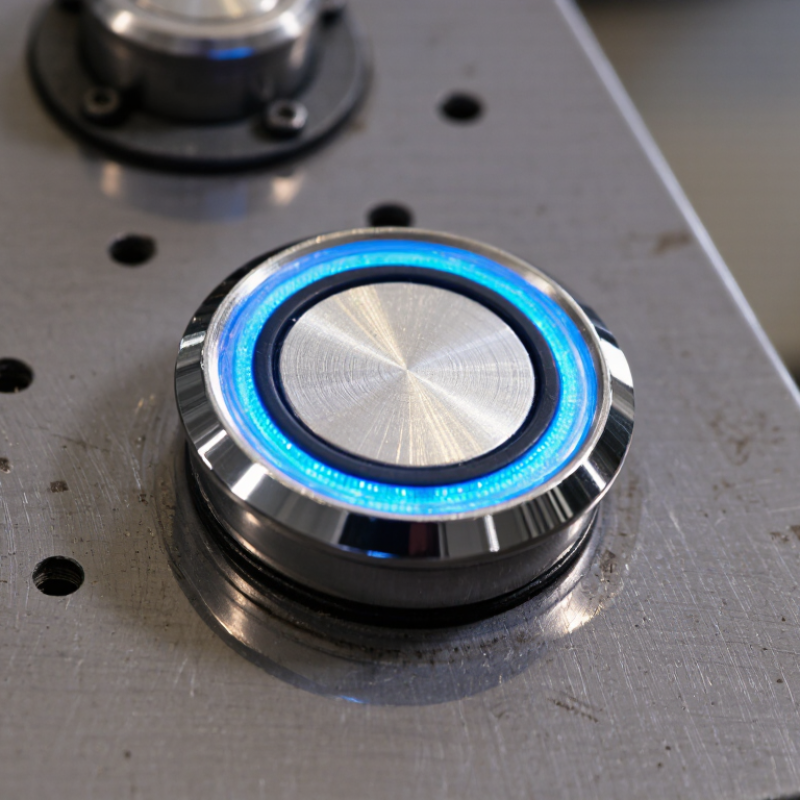
How to Choose the Right Metal Push Button?
Define the Application and Operating Conditions
A metal push button should match its working environment, not just its appearance. Identify the control voltage, switching current, and expected number of operations. A button used on a factory panel may face oil, dust, vibration, or repeated gloved use. Outdoor equipment adds rain, sunlight, and temperature changes. Check the enclosure rating and installation method against documented test conditions. Do not assume a sealed housing is suitable for every location.
Operating force and travel also affect safety and comfort. A short, light press suits frequent commands, while a firmer action can prevent accidental activation. In panel reviews, technicians often overlook cable space behind the button. That small mistake can delay installation. I once saw a neat front panel fail because the rear terminals touched a mounting rail. Electrical clearance matters as much as the visible metal surface. Verify terminal materials, contact configuration, and load limits before approval.
Tips: Test a sample with the actual gloves, wiring, and enclosure. Measure the rear depth. Confirm performance across the real temperature range, not only room temperature. Ask for reliable test records and installation instructions. If the application is uncertain, record the assumption and review it with a qualified engineer before production.
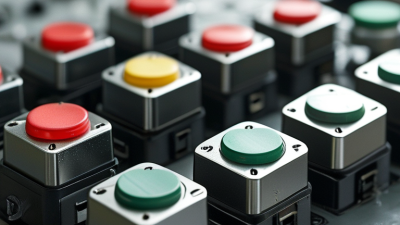
How to Choose the Right Metal Push Button?
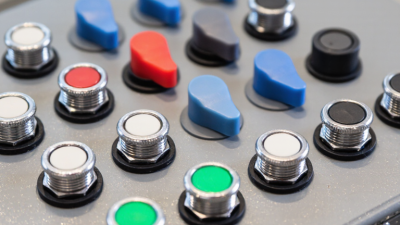
Selecting the correct button type starts with the operator’s real task. A momentary button sends a signal only while pressed, making it suitable for start, jog, or reset commands. A maintained button stays in position and fits power, mode, or lighting selection. Selector switches offer clearer control when two or three operating states are needed. Metal does not automatically mean rugged. Check the panel cutout, actuator shape, mounting depth, and glove clearance before choosing.
The switching function matters more than appearance. Normally open contacts suit start signals, while normally closed contacts support stop or fault-monitoring circuits. Match the contact rating to voltage, current, load type, and inrush current. IEC 60947-5-1 identifies control categories such as AC-15 and DC-13, reminding engineers that resistive and inductive loads behave differently. For dusty or wet equipment, verify the IP code under IEC 60529. A bright ring light may improve visibility, but it should not replace proper circuit identification.
Industrial environments are becoming denser. The International Federation of Robotics reported 541,302 industrial robot installations worldwide in 2023. More machines mean more frequent operator interaction and less tolerance for ambiguous controls. I usually test the button with gloves and under poor lighting. Small details can fail in practice. A selector can feel precise on a workbench, yet prove awkward beside a vibrating machine. Recheck the function after wiring, because a correct component can still create a confusing interface.
| Metal Push Button Type | Typical Operating Action | Switching Function | Contact Behavior | Best-Suited Applications | Main Selection Considerations |
|---|---|---|---|---|---|
| Momentary Push Button | The actuator returns to its original position when released. | Normally Open (NO), Normally Closed (NC), or changeover contacts. | Circuit changes only while the button is being pressed. | Start commands, jog controls, reset functions, door-release controls, and signaling. | Choose the contact arrangement, rated load, actuator style, and required ingress protection. |
| Latching Push Button | The button remains in its changed position after being pressed. | Maintained ON/OFF switching. | One press changes the state; another press returns it to the previous state. | Panel power selection, mode selection, auxiliary equipment control, and basic enable/disable functions. | Confirm whether a maintained state is acceptable for safety and whether visual position indication is needed. |
| Emergency-Stop Push Button | Push-to-stop action, commonly with a twist-release or key-release mechanism. | Usually mechanically latched NC contacts that open when activated. | The stop state is maintained until the actuator is deliberately reset. | Machinery emergency-stop circuits and industrial equipment shutdown systems. | Use only a device suitable for emergency-stop applications; assess standards, reset method, visibility, guarding, and safety-circuit architecture. |
| Illuminated Push Button | May be momentary or latching, with an integrated light source. | NO, NC, or changeover switching combined with a separate indicator circuit. | The lamp can indicate power, selection, operation, fault, or command status. | Control panels, operator interfaces, process equipment, and status indication. | Check LED voltage, AC/DC compatibility, brightness, color meaning, heat generation, and wiring separation. |
| Flush Push Button | Low-profile actuator with limited projection from the panel. | Commonly momentary NO or NC switching. | Usually returns automatically after actuation. | Compact control panels, hand-held equipment, and applications where accidental operation must be reduced. | Compare actuator travel, force, panel clearance, tactile feedback, and cleanability. |
| Extended or Raised Push Button | Raised actuator designed for quick access and tactile identification. | Typically momentary NO, NC, or changeover switching. | Contact state changes during actuation and may return automatically. | Frequent operator input, industrial machinery, and applications requiring operation with gloves. | Consider accidental activation, required operating force, glove compatibility, and protective guards. |
| Key-Operated Push Button | Actuation or release requires a key. | Momentary or maintained switching, depending on the mechanism. | The key controls access to the switching action or reset operation. | Restricted machine operation, maintenance controls, and access-controlled panels. | Evaluate key management, duplicate-key risk, lock positions, and the required level of access control. |
| Piezo Push Button | Electronic touch or pressure activation with no conventional mechanical contacts. | Electronic pulse or maintained output through an external controller or interface circuit. | The switching signal is generated electronically rather than by physical contact movement. | High-cycle panels, washdown environments, public-use equipment, and applications requiring a sealed surface. | Check supply voltage, output type, controller compatibility, activation feedback, and environmental sealing. |
| Guarded Push Button | Actuator is recessed or surrounded by a guard to prevent unintended pressing. | Usually momentary NO or NC switching. | The guard reduces accidental actuation but does not replace a safety control design. | Critical operating commands, reset controls, industrial machinery, and crowded operator panels. | Check finger access, visibility, cleaning access, actuator travel, and the consequences of accidental operation. |
When choosing a metal push button, start with the environment, not appearance. Stainless steel suits outdoor panels, washdown areas, and frequent handling. Aluminum is lighter, but it may show dents more easily. Plated metal can work indoors when moisture and abrasion are limited. Check the seal around the actuator, not only the body material. Dust, oil, and cleaning fluid often enter through weak points. A tactile test also matters. The button should feel deliberate, without sticking or excessive side movement. Small details matter.
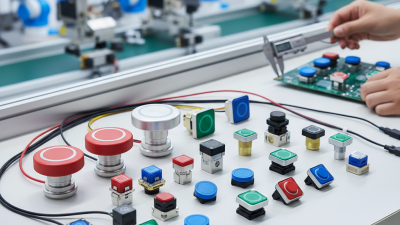
Size must match the operator and the panel. A 16 mm button can fit compact equipment, while a 22 mm or larger actuator is easier to find with gloves. Measure the required panel cutout, thread length, and available space behind the surface. Leave room for terminals, wires, and a locking nut. Mounting depth is easy to overlook. I once selected a button that fit the hole but collided with a rear bracket. That mistake delayed assembly. It also exposed a poor checking habit. For exposed equipment, verify the protection rating under the actual mounting position. A sealed button may lose protection if the gasket is twisted or the panel is uneven. Use the correct washer and tightening method.
Choosing a metal push button starts with its electrical rating, not its appearance. Match the contact rating to the real load, including inrush current from motors, lamps, or solenoids. IEC 60947-5-1 separates utilization categories because switching a resistive load differs from controlling an inductive one. A 5 A rating may not safely handle a motor circuit. Check voltage, current, AC or DC operation, and switching frequency.
Safety needs more than a datasheet number. The International Labour Organization reports thousands of fatal workplace accidents globally each year, while electrical incidents remain a preventable risk. Use insulated terminals, suitable creepage distances, and a protective fuse or circuit breaker. Confirm whether the button is momentary or maintained. Test the complete circuit, not only the switch. I have seen low-voltage controls fail because installers ignored contact bounce and cable strain.
Environmental protection is equally practical. Under IEC 60529, IP65 resists dust and water jets, while IP67 adds temporary immersion protection. These ratings apply under controlled tests, though. They do not guarantee resistance to salt spray, chemicals, ultraviolet exposure, or repeated pressure. Select corrosion-resistant metal and a compatible sealing gasket for outdoor panels. NEMA enclosure guidance also stresses protection against moisture, dust, and corrosive agents. Recheck the rating after drilling, tightening, or replacing the gasket. Small installation mistakes can defeat a strong enclosure.
A reliable metal push button should survive the place where it will work, not just look strong in a catalog. Check the body material, operating cycles, impact resistance, and temperature range. Stainless steel handles moisture and frequent cleaning well, while plated metal may suit drier control panels. In field installations, dust often enters through poorly protected gaps. The switch may fail before its rated cycle count.
Certifications deserve close attention. Look for ratings that match the application, such as IEC 60529 protection levels or IEC 60947-5-1 requirements. A certification mark alone is not enough. Verify the exact model, test scope, and authorized documentation. One overlooked detail can matter. A button rated for indoor use may perform poorly near salt spray, vibration, or condensation. I have seen product selections based on familiar labels rather than actual site conditions. That shortcut created rework.
Total cost includes more than the purchase price. Calculate installation time, wiring accessories, replacement stock, cleaning, and possible downtime. A cheaper button can become expensive after several early failures. Compare the expected service life against the cost of access and labor. Also check whether contact blocks and mounting parts are easy to replace. This reduces inventory pressure. Still, longer life is not always better if the device is oversized for a simple panel. Careful matching remains the practical choice.