2026 Top Power Push Button Manufacturers and Suppliers
The 2026 Power Push Button market is becoming more demanding, not merely larger. Manufacturers now compete on tactile feedback, contact reliability, ingress protection, and rapid customization. A button must survive oily gloves, repeated impacts, vibration, and thousands of daily cycles. That small red actuator can still stop a production line.
MarketsandMarkets reports continued growth across the global switches market, driven by industrial automation, transportation, and connected equipment. Grand View Research also identifies rising demand for compact, durable switching components in control panels and machinery. These reports offer useful direction, but their market definitions differ. Therefore, reported values should not be compared without checking scope, product category, and regional coverage.
Peter Herweck, an industrial automation leader and former Siemens CEO, said, “Digitalization is not an end in itself; it is a means to make industry more productive, sustainable, and resilient.” His observation applies directly to Power Push Button selection. A modern switch should support safer maintenance, clearer operator feedback, and dependable machine control. Certifications matter too. Buyers should review IEC 60947-5-1, UL requirements, IP ratings, electrical life, and test documentation. Supplier transparency matters just as much.
This guide evaluates the 2026 top Power Push Button manufacturers and suppliers through product quality, engineering support, customization, delivery capability, and compliance evidence. Some rankings remain imperfect. Public data can be incomplete. A lower-cost supplier may perform well in clean indoor cabinets, yet fail under dust, moisture, or heavy vibration. Practical testing remains essential. Expect fewer assumptions, clearer comparisons, and closer attention to the details that operators feel with every press.
What Are Power Push Buttons and How Do They Work?
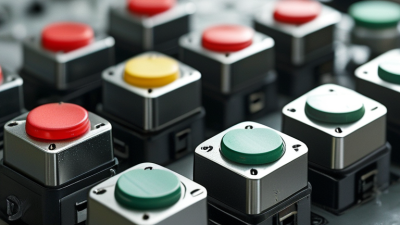
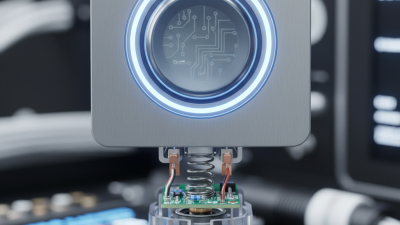
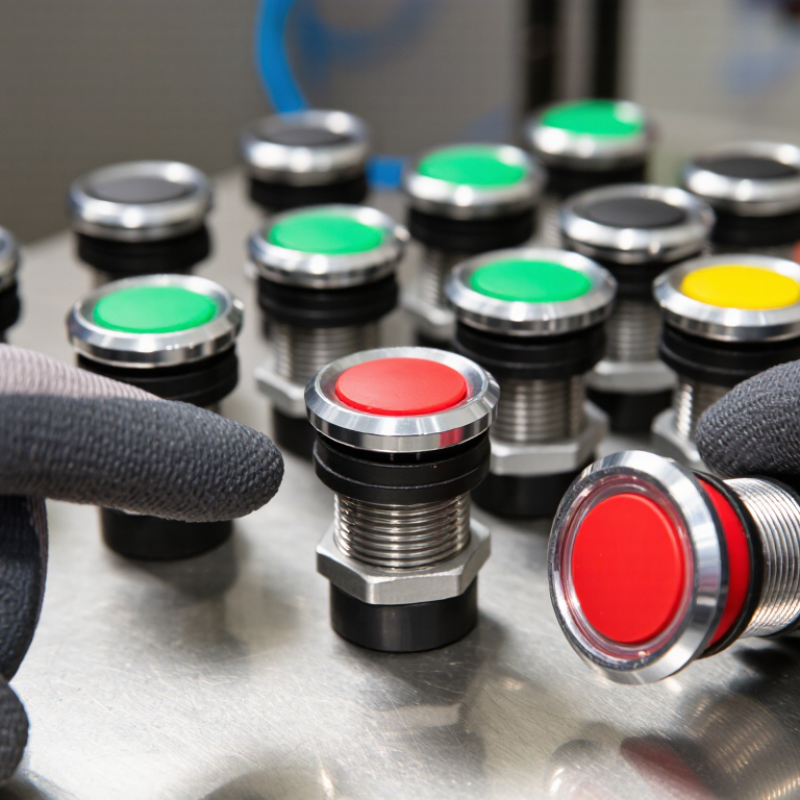
Power push buttons are human-machine interface devices that open or close an electrical circuit. Operators use them to start motors, stop conveyors, reset alarms, or trigger emergency controls. Inside, a spring-loaded actuator moves contacts when pressed. Releasing it usually returns the contacts to their original position. Latching versions remain engaged until pressed again.
Their ratings matter. Voltage, current, contact material, switching frequency, and enclosure protection determine safe performance. According to MarketsandMarkets’ 2024 industrial control and factory automation report, factory automation demand is growing at over 8% annually through the decade. This growth increases demand for clear, durable operator controls. IEC 60947-5-1 also emphasizes rated insulation, utilization categories, and endurance testing for low-voltage control devices. A button can look rugged and still fail early.
In field inspections, loose terminals and poor sealing often cause more trouble than the actuator itself. Dust may enter around the bezel. Moisture can oxidize contacts. Designers should match the button’s ingress protection rating with the installation environment, not the product photograph. Grand View Research reports that the global industrial automation market is expanding as manufacturers invest in connected production equipment. That trend encourages illuminated and feedback-enabled buttons, but added electronics create more failure points. I would not treat every “heavy-duty” label as proof; test temperature, vibration, and repeated operation under real conditions.
Power Push Buttons: How They Work
A power push button controls an electrical circuit by changing the state of its contacts. In this typical momentary sequence, the normally open (NO) contact closes while the button is pressed, while the normally closed (NC) contact opens.
Contact logic: 0 = open contact and 1 = closed contact. The timing shown is illustrative; actual switching speed depends on the button design and application.
Key Types and Specifications of Power Push Buttons
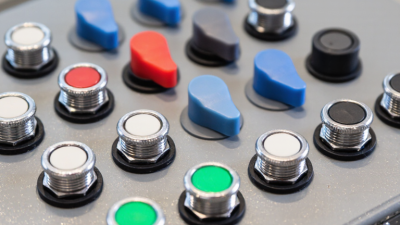
Power push buttons differ mainly by contact function, actuator design, and installation environment. Momentary models return after release, while maintained models stay latched. Selector-style push buttons suit machine mode changes. Illuminated versions add a clear visual signal in dim control panels. Common mounting diameters include 16, 22, and 30 millimeters. The 22-millimeter size remains practical for industrial cabinets.
Electrical specifications deserve closer attention. Check rated voltage, thermal current, contact configuration, insulation voltage, and switching category. IEC 60947-5-1 provides a useful reference for low-voltage control devices. For dusty or wet locations, confirm the enclosure rating under IEC 60529. IP65 resists dust and water jets; IP67 supports temporary immersion. Do not treat these ratings as permanent guarantees. Damaged seals change the result.
A 2024 Grand View Research analysis estimates the industrial automation market will expand at about 9.8% annually through 2030. That growth increases demand for reliable human-machine controls, but market growth does not replace engineering checks. Rated life matters. Many industrial buttons specify one million mechanical operations, while electrical life can be much lower under heavy loads. Contact materials, operator force, terminal style, and operating temperature also affect selection. A 22-millimeter button may fit the panel, yet its rear depth can block nearby wiring. I have seen this overlooked. It is a small detail with expensive consequences. Test the actual load, enclosure, and mounting thickness before approval.
How to Evaluate Power Push Button Manufacturers and Suppliers
Evaluating power push button manufacturers and suppliers requires more than comparing unit prices. Start with the technical details: contact rating, operating voltage, switching capacity, insulation strength, and expected mechanical life. Ask for complete datasheets and test records. A reliable supplier should explain each value clearly, not hide behind general claims. Small details matter, such as terminal construction, button travel, sealing quality, and resistance to vibration.
Request samples before approving a production order. Test them under your actual load, enclosure design, and operating temperature. Check whether the button feels consistent after repeated presses. Inspect labels, solder points, housing alignment, and packaging. Also review quality controls, material traceability, inspection procedures, and correction records. Certifications can support an evaluation, but they should not replace independent testing. Paperwork is only evidence.
Supplier performance also depends on communication. Confirm lead times, minimum order quantities, replacement policies, customization limits, and production capacity in writing. Ask how they handle design changes or unexpected shortages. A low quote may conceal weak support or unstable delivery. No supplier is perfect. Even experienced buyers can overlook a minor tolerance issue until assembly begins. That is why a small pilot order, documented acceptance criteria, and regular production checks remain practical safeguards. Reliability is demonstrated over time, not promised in one meeting.
Top Power Push Button Manufacturers and Suppliers in 2026
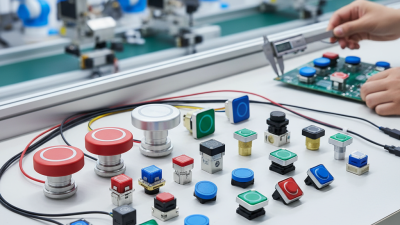
In 2026, top power push button manufacturers and suppliers are judged by more than product catalogs. Reliable suppliers show how their switches perform under repeated pressing, vibration, moisture, and temperature changes. During equipment evaluations, I inspect contact stability, actuator feel, terminal strength, and panel fit. Small details matter. A loose terminal can create costly maintenance problems.
Experienced manufacturers provide clear electrical ratings, mechanical life data, wiring diagrams, and material information. They also support sample testing before large orders. A serious supplier should explain whether a button suits control panels, industrial machinery, vehicles, or outdoor equipment. Certification documents must be current and traceable. Generic claims are not enough.
Purchasing teams should compare response time, customization ability, quality inspection, packaging, and delivery consistency. One practical test is simple: press samples repeatedly with gloved hands, then check resistance and alignment. Results can differ between batches. That is easy to overlook. I have seen attractive switches fail because their mounting threads were too shallow for the panel thickness. This is why technical communication matters as much as price. The strongest 2026 suppliers combine stable production with honest limitations, responsive engineering support, and documented quality controls. Even then, buyers should verify every critical specification independently.
 008613968780263

 CONTACT NUMBER
 CONTACT