How to Choose the Right Shielding Cover for Your Needs?
Choosing the right Shielding Cover is crucial for various applications in industries such as electronics, aerospace, and telecommunications. Recent studies show that electromagnetic interference (EMI) can degrade device performance by over 30%. Selecting the appropriate shielding solution can minimize these risks effectively. The market for shielding covers is expected to reach $6 billion by 2025, highlighting their growing importance in technological advancement.
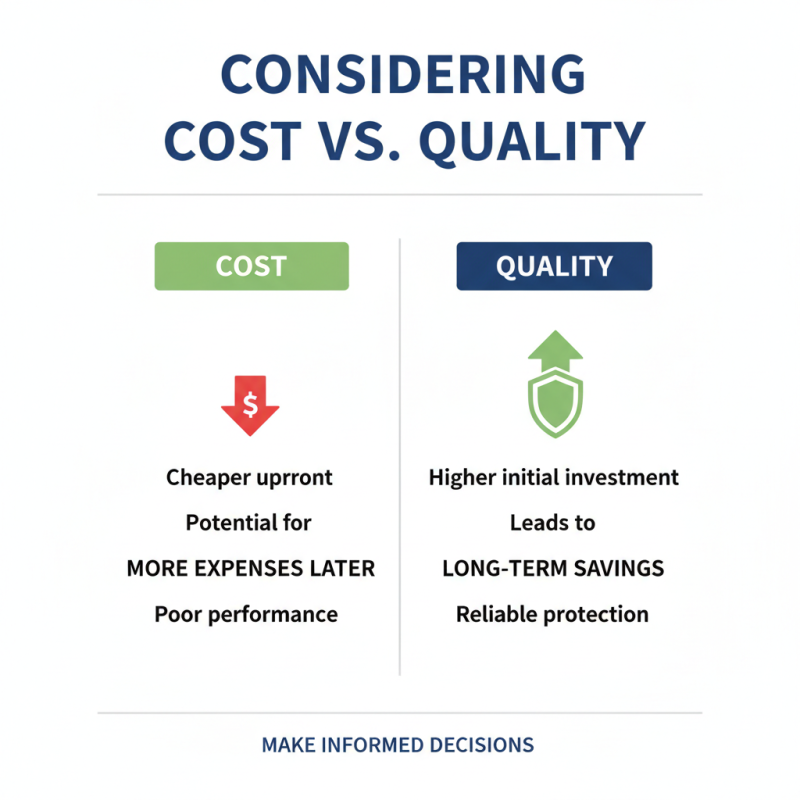
One key factor in your decision is the type of materials used. Copper and aluminum are common choices, each offering unique benefits. Copper provides excellent conductivity, while aluminum is often lighter and more cost-effective. However, balancing performance and budget can be challenging for many businesses. It’s essential to assess the specific environmental conditions your Shielding Cover will face, such as temperature fluctuations and humidity levels.
Furthermore, the right design can enhance the shielding effectiveness. A well-designed cover can reduce signal loss and improve overall functionality. Yet, there is no one-size-fits-all solution. Continuous evaluation of manufacturer claims and product performance is necessary. Investing time in research and expert consultation can lead to better long-term investments. The right choice will ultimately ensure durability and protect sensitive components from interference.
Understanding the Purpose of Shielding Covers
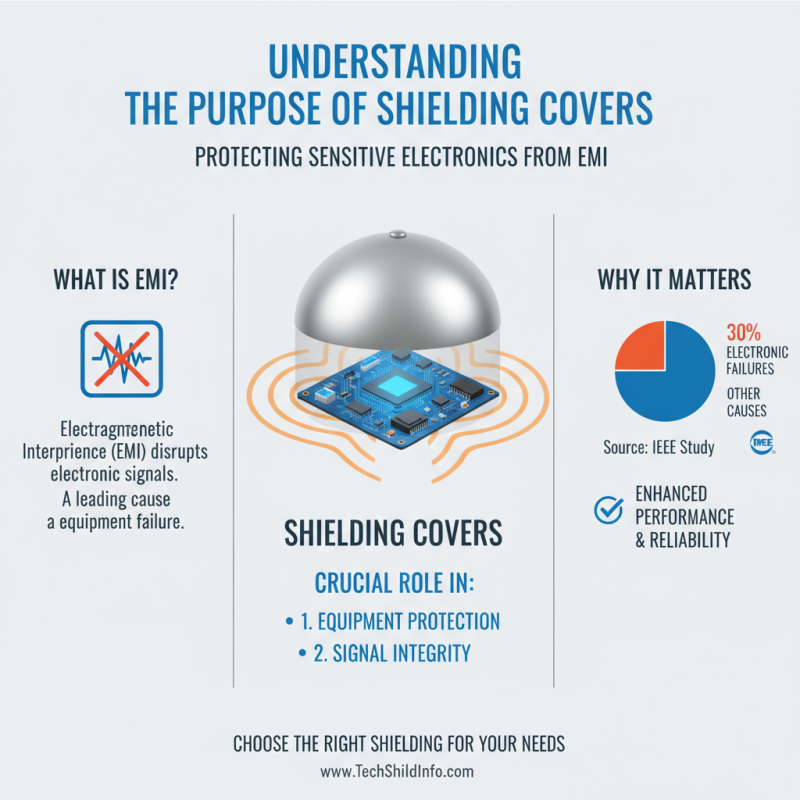
Shielding covers play a crucial role in protecting sensitive equipment from electromagnetic interference (EMI). Understanding their purpose is essential when selecting the right type for your specific needs. A study by the Institute of Electrical and Electronics Engineers (IEEE) reports that nearly 30% of electronic failures are caused by EMI. Thus, choosing the appropriate shielding can enhance performance and reliability.
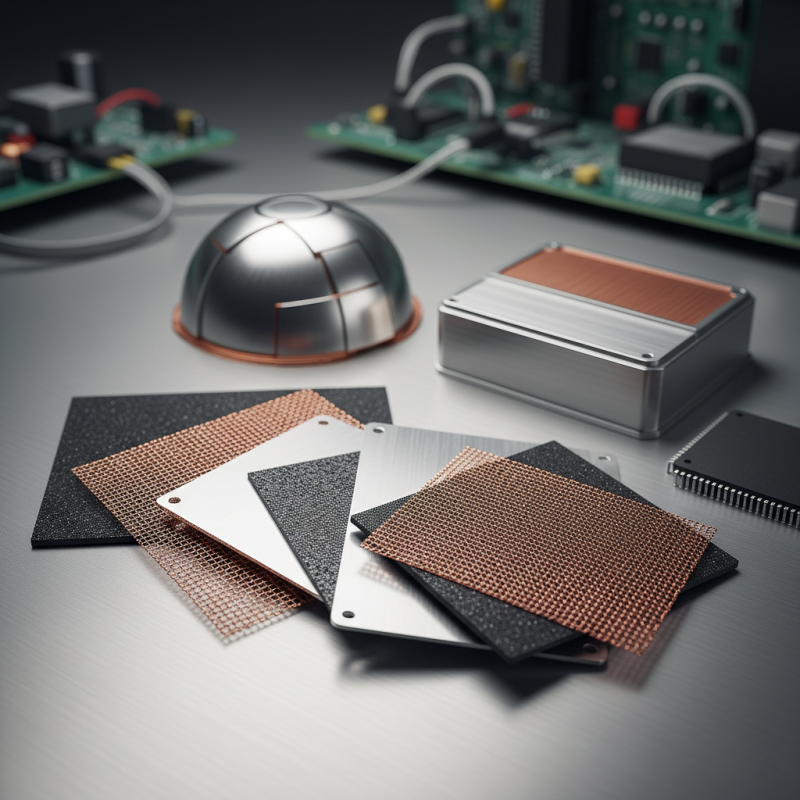
When considering shielding covers, it's vital to assess the frequency range and intensity of the emissions you'll encounter. Covers can be crafted from various materials, including metal and conductive fabrics, each suited for different environments. For instance, metal covers are effective in high-frequency applications, while conductive fabrics are often more flexible, making them ideal for intricate shapes.
Tips: Always evaluate the environmental conditions where the cover will be used. Temperature, humidity, and potential exposure to physical damage should influence your choice. Regular maintenance of covers ensures continued protection and performance. Reflect on any past issues with EMI in your operations; this insight can guide your decision-making.
Remember, a well-chosen shielding cover not only protects your equipment but also prolongs its lifespan. It's not just about covering your devices; it’s about ensuring they function optimally amidst challenging conditions.
Identifying Your Specific Shielding Needs
Identifying your shielding needs is crucial in selecting the right cover. Various environments require different levels of protection. Factors such as frequency range, radiation type, and exposure levels all play significant roles. For instance, data from a recent industry report indicates that 70% of electronic devices face electromagnetic interference. Understanding these variables ensures effective shielding solutions.
Consider the specific materials that best suit your requirements. Metal covers are generally effective against high-frequency electromagnetic fields. In contrast, softer materials like conductive fabric work for low-frequency applications. Choosing the wrong material can lead to inadequate protection, which is a common mistake. The Shielding Effectiveness of common barriers can vary significantly; metal may provide 50 dB attenuation, while fabric only offers 20 dB.
Your environment also matters. If you operate in a high-EMI zone, a robust solution is necessary. In some instances, investing in extensive shielding may seem excessive. However, without the right protection, the cost of equipment failure can be far greater. Always conduct a thorough assessment of your shielding requirements. This helps ensure that you make informed decisions tailored to your specific needs.
Evaluating Material Options for Shielding Covers
When selecting a shielding cover, material choice is crucial. Various materials have distinct properties that can significantly impact performance. For instance, conductive fabrics like copper or silver-coated textiles are excellent at blocking electromagnetic interference (EMI). A report by Grand View Research indicates that the global EMI shielding market is projected to reach $8.54 billion by 2026. Understanding these materials is key to ensuring optimal protection.
Tips for choosing the right material include evaluating your specific environment. For high-frequency signals, materials like aluminum or stainless steel might be preferable due to their durability and effectiveness. Conversely, if weight and flexibility are concerns, conductive polymers may provide a lightweight solution. The material's thickness and density also play a role in its shielding effectiveness.
It's important to consider the limitations of each option. For example, while metal shielding is robust, it could be cumbersome in certain applications. Many industries still rely on traditional shielding methods, which may not adapt well to evolving technological needs. Regular assessments of material performance can prevent future issues and improve the overall reliability of shielding solutions.
Assessing Size and Fit for Optimal Protection
When selecting a shielding cover, size and fit are critical for effective protection. A well-fitting cover minimizes exposure to harmful elements. According to industry data, improper sizing can reduce shielding effectiveness by up to 40%. This emphasizes the importance of precise measurements.
Start by assessing the dimensions of the area to be protected. Measure width, height, and depth carefully. Leave no gaps. It’s essential to consider the environmental factors too. For instance, extended exposure to sunlight can degrade materials. Reports from shielding professionals suggest that using covers tailored to specific environments provides the best results.
Choosing the right material also impacts fit. Materials with stretchability can adapt to various shapes. However, they might compromise on durability. Experimenting with different prototypes could lead to unexpected outcomes. Feedback from users highlights that closely examining fit can reveal issues overlooked initially. Therefore, it's best to take the time needed to ensure the right choice.
How to Choose the Right Shielding Cover for Your Needs?
This chart represents the various shielding cover options based on their dimensions and fit for optimal protection. The data includes the size (in square feet) and the corresponding level of protection offered.
 008613968780263

 CONTACT NUMBER
 CONTACT