How to Choose the Best Pushbutton Switches for Your Needs?
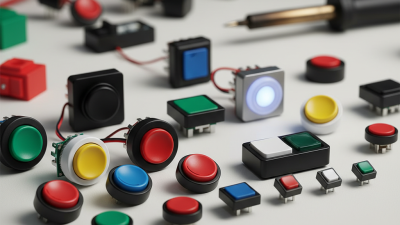
Selecting the right Pushbutton Switches is crucial for various applications. These components play an essential role in machinery, electronics, and user interfaces. The choices available can be overwhelming. With different sizes, shapes, and functions, finding the perfect switch requires careful consideration.
Understanding your specific needs enhances the selection process. Pushbutton Switches are made from different materials and come with various features. Factors like durability, electrical ratings, and environmental resistance can impact your choice. For example, a switch designed for outdoor use must be weatherproof.
It's easy to overlook small details in this process. Many users underestimate the importance of tactile feedback and aesthetic appeal. A poorly chosen switch can lead to functionality issues and user dissatisfaction. In today's market, balancing quality and cost is often challenging. Taking time to evaluate your options can make all the difference.

Understanding Different Types of Pushbutton Switches
Pushbutton switches come in various types, each suited for different applications. Understanding these types is crucial for selecting the right switch for your needs.
Momentary and latching switches are common. Momentary switches only stay active while pressed. They're often used in applications like doorbells and calculators.
Latching switches, however, maintain their position until pressed again. Think about your specific application before making a choice.
The design of the pushbutton also varies. Some switches have a tactile feel, giving users feedback when pressed. Others might be sleek and flat, providing a modern look.
Pay attention to the materials used. Some are made from durable plastics, while others feature metal finishes for added durability. Consider the environment where the switch will be used.
Switches exposed to moisture need better sealing.
Choosing the right switch isn’t solely about functionality. Aesthetic appeal plays a role too. The ideal switch should match the overall design of your project.
Think about how easy it is to install and connect. Sometimes, the most straightforward switch might require adjustments in your setup.
Experimenting with different types can help you understand their practicality.
Evaluating Voltage and Current Ratings for Your Application
When selecting a pushbutton switch, understanding voltage and current ratings is crucial. The voltage rating indicates the maximum voltage the switch can handle without failure. It's essential to match this with your application’s requirements. Exceeding this rating may lead to overheating or failure. For example, a switch rated for 12V should not be used in a 24V circuit. Trouble may arise if miscalculations occur here.
Current ratings show how much current a switch can safely carry. A switch rated for 5 amps shouldn't be used in a circuit with a 10-amp load. It may overheat, causing damage. Pay attention to the type of load too. Resistive loads are more forgiving than inductive loads. Inductive loads can create spikes, affecting the switch performance.
Always consider environmental factors as well. A switch in a dusty area may fail faster. Humidity can also affect performance. Some users underestimate these factors, thinking they won't influence the switch efficacy. Each application is unique, requiring careful evaluation of both voltage and current ratings. Your experience and knowledge play a key role in making the right choice.
Key Features to Consider When Selecting Pushbutton Switches
When selecting pushbutton switches, consider the key features that fit your application. The switch type is crucial. You can choose between momentary and latching types. Momentary switches activate only when pressed. Latching switches remain on until toggled again. Each serves distinct needs.
Durability is another important factor. Look for switches with a high IP rating. This rating indicates resistance to dust and water. If your environment is harsh, prioritize rugged designs. Also, consider the material of the switch. Metal switches often provide a more robust feel and longer lifespan compared to plastic.
Tips: Test the switch’s response. A tactile feedback can be essential for user satisfaction. Evaluate the size and mounting style, too. Ensure it fits your panel or device snugly. While reviewing specifications, a common pitfall is overlooking compatibility with your PCB design. Always double-check for the right voltage and current ratings. This minimizes potential mishaps.
Comparison of Key Features in Pushbutton Switches
This chart displays a comparison of key features to consider when selecting pushbutton switches. The ratings reflect the importance of each feature based on user needs.
Assessing Durability and Environmental Resistance
When selecting pushbutton switches, durability and environmental resistance are critical factors. A switch exposed to harsh conditions must withstand temperature fluctuations, moisture, dust, and chemicals. Look for materials such as stainless steel or specialized plastics that enhance longevity. Consider the switch's IP rating, which indicates protection against solids and liquids. A higher IP rating suggests better performance in tough environments.
It's crucial to evaluate the operating environment. Is it outdoors, where UV rays are present? Or indoors in a dusty shop? Each scenario demands different levels of protection. Weather-resistant switches can prevent malfunction and ensure safety. Testing samples in real-world conditions before finalizing your choice can provide insights into performance.
Furthermore, user feedback on durability is invaluable. Many users share experiences regarding wear and tear over time. This information can help identify potential issues. Pushbutton switches should not only meet immediate specifications but also stand the test of time. It's essential to think beyond initial installation and consider long-term reliability. Balancing performance and environmental factors is key to making an informed choice.
Comparing Cost and Value of Pushbutton Switch Options
When evaluating pushbutton switches, understanding cost versus value is crucial. A report by the International Electrotechnical Commission highlights that the average lifespan of a pushbutton switch is around 1 million cycles. This longevity can justify a higher upfront cost. Cheaper options might seem appealing, but they often lead to increased replacement frequency, which adds to long-term expenses.
Quality materials directly influence pushbutton switch performance. A switch designed with higher-grade components may cost more initially. Yet, studies indicate that 70% of users prefer durable options despite the price difference. This preference underscores a growing trend toward valuing reliability over simply saving money upfront. Opting for lower-cost switches may save in the short term but can become a liability.
However, finding the perfect balance can be challenging. Decisions often weigh immediate budget constraints against potential future costs. Some switching products may lack adequate specifications, making it hard to assess true value. It’s critical to analyze both the price and performance ratings to make informed choices. Research shows that informed decisions improve overall satisfaction with pushbutton switches.
How to Choose the Best Pushbutton Switches for Your Needs? - Comparing Cost and Value of Pushbutton Switch Options
| Switch Type |
Material |
Cost ($) |
Durability (Cycles) |
Rating (IP) |
| Standard Pushbutton |
Plastic |
1.50 |
50000 |
IP65 |
| Illuminated Pushbutton |
Metal |
3.00 |
100000 |
IP67 |
| Momentary Pushbutton |
Nylon |
2.00 |
30000 |
IP54 |
| Toggle Pushbutton |
Aluminum |
2.50 |
70000 |
IP66 |
 008613968780263

 CONTACT NUMBER
 CONTACT