2026 Best Headphone Jack Types for Buyers
Choosing a headphone connector can feel trivial until your phone has no matching port. A 3.5 mm Headphone Jack still works with many laptops, music players, and wired headphones. USB-C offers a digital connection on many newer devices, while Lightning remains relevant to some older Apple products. Adapters can bridge gaps, but they add another small part to lose.
The market is moving quickly. Grand View Research’s Headphones Market Size, Share & Trends Analysis Report estimated the global headphones market at about US$71.6 billion in 2023. That figure covers headphones broadly, not connector sales alone. Still, it shows why buyers face more choices than ever. At Apple’s 2016 iPhone 7 launch, executive Phil Schiller called the move away from the headphone jack “courage.” It was a memorable industry statement, not a technical buying rule.
Fit matters more than slogans. Check your device’s port, case clearance, microphone support, and charging needs before buying. A cheap adapter may pass audio but miss call controls or reliable microphone input. Small detail. Big annoyance. This guide compares 3.5 mm, USB-C, Lightning, and wireless options by compatibility, sound, durability, and everyday use. One limitation deserves attention: connector shape alone cannot guarantee sound quality. I have seen buyers overlook that point. A jack is only one link in the listening chain.
Understanding Headphone Jack Types and Their Core Functions
A headphone jack is more than a hole that fits a plug. Its contacts determine whether it carries stereo sound, microphone input, or both. The familiar 3.5 mm TRS plug has three contacts: left audio, right audio, and ground. Add a fourth contact, and a TRRS plug can support a headset microphone or remote controls. Pin layouts can vary, so an older headset may play sound but have a nonworking microphone.
Size matters.
The 6.35 mm jack is common on studio equipment and offers a sturdy connection, but its larger plug does not automatically improve sound quality. The 4.4 mm connector is used for balanced audio setups; it needs compatible headphones and a compatible source. An adapter alone cannot create a balanced signal. Small details matter.
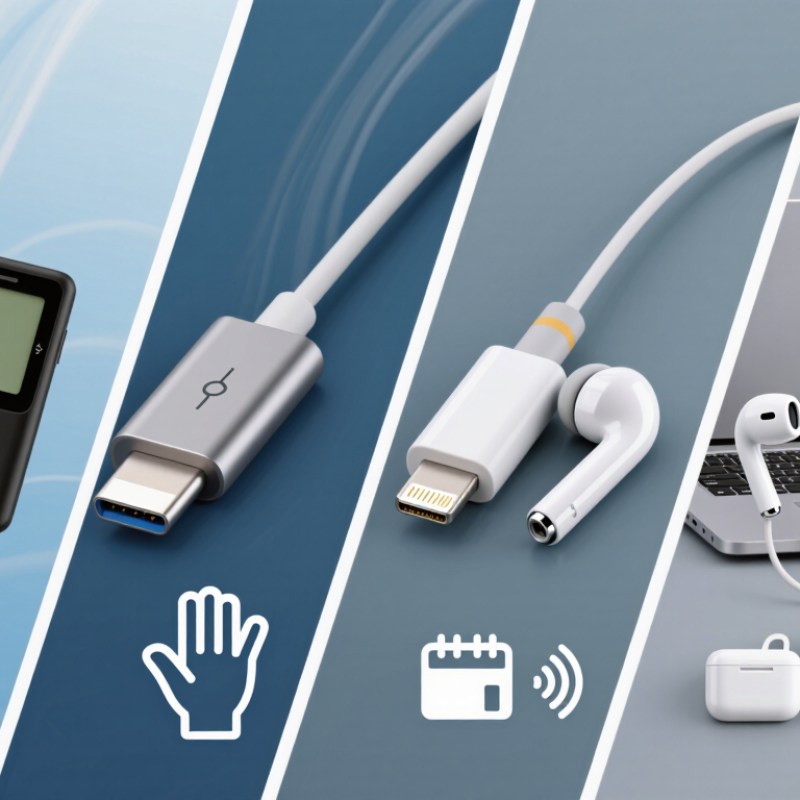
USB-C is different. It is a digital connector, not a traditional analog headphone jack, and devices may handle audio conversion differently. Check the device specifications before buying an adapter. I find this distinction easy to overlook: matching the plug shape is not always enough. Consider the audio source, microphone needs, and intended use, then choose the connection that supports all three.
Matching Headphone Jacks with Devices and Audio Equipment
2026 Best Headphone Jack Types for Buyers: Matching Headphone Jacks with Devices and Audio Equipment
The 3.5 mm jack remains the most flexible analog choice. It suits laptops, portable players, mixers, and many older phones. Choose TRRS when you need an inline microphone. Choose TRS for stereo listening only. Check the plug wiring first; standards are not always identical.
Newer phones and tablets increasingly use USB-C audio. IDC recorded about 1.24 billion smartphone shipments worldwide in 2024, showing the scale of this connection shift. USB-C can carry digital audio, but compatibility depends on the device’s DAC support and adapter design. Some passive adapters fail completely. Others reduce microphone functions. I have seen this confusion waste more money than the headphones themselves.
For home amplifiers and studio interfaces, 6.35 mm remains the practical match. Balanced 4.4 mm and 2.5 mm plugs can reduce interference with compatible equipment, but they are not universal upgrades. Never connect a balanced output through an unsuitable adapter. Grand View Research valued the global headphones market at approximately USD 58.3 billion in 2023 and projected strong growth through 2030. That growth brings more connector choices, not fewer. A careful buyer should match the jack, signal type, microphone support, and equipment manual before purchase. Compatibility deserves more attention.
Evaluating Sound Quality, Durability, and Compatibility
For most portable headphones, the 3.5 mm jack is a practical choice: it fits many laptops, controllers, and older audio players. Check whether the plug has two or three insulating rings. A four-contact TRRS plug can carry microphone audio, while a three-contact TRS plug usually carries stereo sound only. Small mismatch, big annoyance.
Jack size alone does not determine sound quality. The headphone drivers, recording, and audio source matter more. A 6.35 mm plug is common on larger audio equipment and feels sturdier, but it may need an adapter for portable devices. Balanced 4.4 mm connections can work with compatible equipment, yet they are not an automatic sound upgrade. I would not treat connector size as a quality ranking. That shortcut is tempting, but wrong.
Durability often comes down to details you can inspect. Look for a firm plug, solid strain relief, and a cable that does not kink sharply where it meets the connector. A wobbly socket can interrupt sound when you turn your head. Compatibility deserves the same care: some USB-C adapters contain digital audio converters, while others depend on the device’s support. Check the device’s manual before buying. I have overlooked that detail before; it is easy to do. A quick fit check can save a return.
Choosing the Best Headphone Jack Type for Different Buyer Needs
Choosing the best headphone jack type starts with the device you use most. A 3.5 mm TRS plug carries stereo sound and fits many laptops, tablets, and portable players. Need a microphone for calls? A four-contact TRRS plug may be required, but wiring standards can differ. Check the device manual or test the headset before buying. Small detail, big annoyance.
For home audio equipment, a 6.35 mm plug is common on receivers and studio headphones. It feels sturdier, but it will not fit a phone without an adapter. A 2.5 mm jack appears on some compact devices, though replacements and compatible accessories can be harder to find. USB-C connections suit newer devices without a round audio port; confirm that the device supports audio through its port, since support varies. An adapter is not always a fix.
Think about where the cable will go. A bulky 6.35 mm connector can catch on a desk edge, while a slim 3.5 mm plug is easier to carry. If you switch between devices, a removable cable or simple adapter may help. Still, adapters add another connection that can loosen or get lost. I have found that checking the exact plug and microphone needs saves more trouble than choosing by size alone.
2026 Best Headphone Jack Types for Buyers
Compare common analog headphone plug sizes by nominal diameter.
Choosing a type: The 3.5 mm plug is a common choice for compatible portable and home audio devices. The larger 6.35 mm plug is often used with audio equipment such as headphone amplifiers and mixers. The smaller 2.5 mm plug appears on some specialized devices. Check your device’s connector and whether it supports stereo audio and microphone functions; plug diameter alone does not determine compatibility.
 008613968780263

 CONTACT NUMBER
 CONTACT