Top Tips for Choosing the Best Terminal Connectors?
Choosing the right terminal connectors is crucial for ensuring reliable connections in various applications. Industry studies reveal that over 30% of electrical failures can be traced back to improper connector selection or installation. Terminal connectors play a vital role in electrical circuits, impacting both performance and safety.
With advancements in technology, the variety of terminal connectors available today can be overwhelming. Reports suggest that the global market for these connectors is expected to grow by over 5% annually, reflecting their importance in sectors like automotive, telecommunications, and renewable energy. Selecting the right type involves understanding your specific needs, including environmental factors and load requirements.
Many users overlook the details during their selection process. They may choose based on brand alone rather than compatibility or material quality. This oversight can lead to costly errors and downtime. Awareness of these factors is essential for making informed decisions that enhance reliability and efficiency in electrical systems.
Factors to Consider When Selecting Terminal Connectors
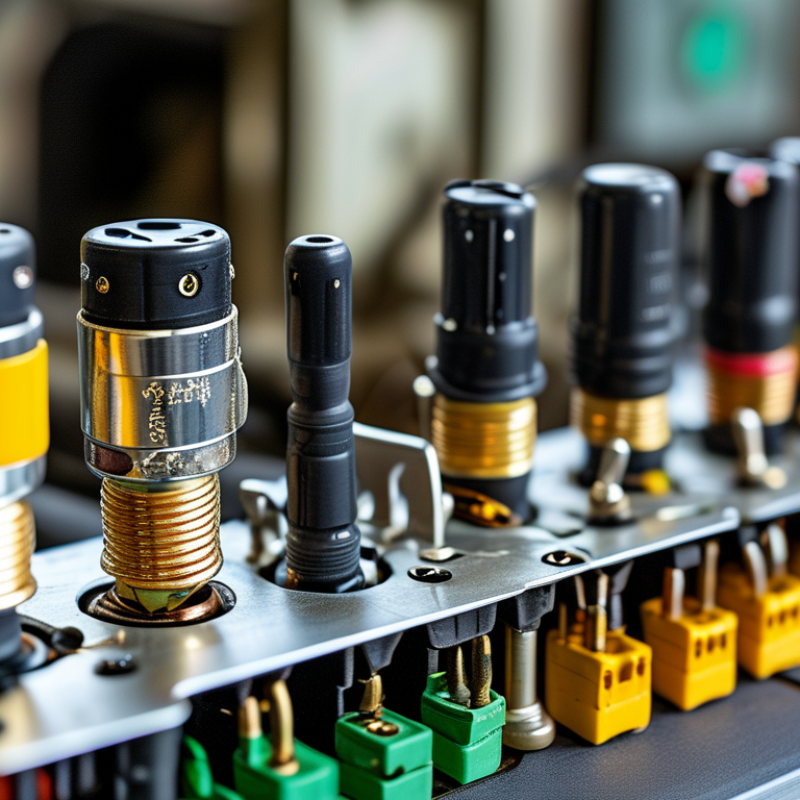
When selecting terminal connectors, there are several essential factors to consider. First, the material matters. Copper and aluminum are common choices. Each has distinct advantages, affecting conductivity and durability. Copper is highly conductive but can corrode over time. Aluminum is lighter and often more cost-effective but may require special coatings.
Next, think about the connector size. It should match the wire gauge to ensure a secure fit. If the connector is too large, it can create a weak connection. If it's too small, it may not fit at all. Look for connectors with clear specifications. This detail helps avoid compatibility issues.
Also, consider the application environment. Will the connectors be exposed to moisture or extreme temperatures? Choosing connectors rated for harsh conditions enhances reliability. Remember, installing connectors incorrectly can lead to performance problems. Regular inspection is crucial, especially in critical systems. Prioritizing quality and proper installation can save you headaches in the long run. Always reflect on your choices and learn from past mistakes.
Top Tips for Choosing the Best Terminal Connectors
Different Types of Terminal Connectors and Their Applications
When it comes to terminal connectors, the variety available is vast. Different types serve distinct purposes. For instance, ring connectors are often used in automotive applications due to their reliable electrical connection. According to the International Electrotechnical Commission (IEC), about 40% of connectors in vehicles are ring types. Meanwhile, spade connectors are popular for quick disconnections in household appliances. Their design allows for easy attachment and removal.
Another critical category is bullet connectors, which excel in high-current applications. The report from the Connector Industry Association (CIA) indicates that bullet connectors handle up to 100 amps effectively. This makes them suitable for demanding environments. Keep in mind, however, that improper selection can lead to overheating or failures.
Wire-to-board connectors are also essential, especially in electronics. They provide secure connections, ensuring data integrity. A recent study by Research and Markets points out that the wire-to-board connector market is projected to grow by 10% annually. This growth reflects an increasing reliance on these connectors in modern devices. Always consider the specific application needs when choosing the right type to ensure safety and efficiency.
Key Material Considerations for Durable Terminal Connections
Choosing the right materials for terminal connectors is crucial for durability. The material directly influences the connector's longevity and performance. Copper and aluminum are common choices due to their excellent conductivity. However, copper is often preferred for its lower resistance and better corrosion resistance. This ensures efficient power transmission and minimizes energy loss.
Consider environmental factors too. Humidity can degrade certain materials. Stainless steel offers good resistance to moisture. It can be useful in harsh environments, yet it is more expensive. Meanwhile, plastic insulators also play a vital role in protecting connections. They can withstand various conditions but may degrade over time, so ensure you choose high-quality plastic.
Reflecting on long-term use, conduct regular assessments. Deterioration may not be visible initially, but it can compromise safety and performance. Prioritize materials that meet your specific needs. The best choice often depends on application, budget, and longevity expectations. Choosing wisely now can save future headaches.
Understanding Electrical Ratings for Safe Terminal Connector Use
When choosing terminal connectors, understanding electrical ratings is crucial for safety and efficiency. Each connector type has distinct voltage and current ratings. Exceeding these limits can lead to serious failures or hazards. According to industry data, proper selection can reduce equipment downtime by up to 30%. Matching connectors to their intended use is vital.
Electrical ratings help evaluate the right connector. Factors include temperature ratings, wire size, and environmental exposure. For example, a connector rated for 10A at 25°C may not perform under extreme heat. Understanding these specifications can prevent unexpected issues. A study by the Electrical Safety Foundation International emphasizes that improper connections account for 17% of electrical fires.
Utilizing connectors that meet or exceed recommended ratings enhances reliability. It also contributes to safer installations. Regular inspections and adherence to guidelines can identify potential issues before they escalate. Industry best practices advocate for selecting connectors that align with specific application requirements. This ensures optimal performance and longevity.
Tips for Proper Installation and Maintenance of Terminal Connectors
When installing terminal connectors, proper techniques are essential. Start by ensuring that all surfaces are clean and free from contaminants. This small detail can significantly impact connection quality. Use a wire brush to clean terminals before attaching them. Make sure the wire insulation is stripped to the correct length—too much exposure can lead to short circuits.
Pay attention to the torque specifications during installation. Over-tightening can damage connectors, while under-tightening may lead to poor electrical contact. Always use a torque wrench for accuracy. Regularly check connections for signs of wear or corrosion, which can compromise performance.
Maintenance is equally vital. Regularly inspect connectors to ensure they remain clean and secure. Look for any discoloration or oxidation, as these may indicate underlying issues. Keeping a maintenance schedule helps you catch problems early. Remember, even the best terminal connectors require care. Regular attention can prolong their lifespan and improve system reliability.
Top Tips for Choosing the Best Terminal Connectors - Tips for Proper Installation and Maintenance of Terminal Connectors
| Tip Number |
Tip |
Description |
| 1 |
Choose the Right Material |
Select connectors made from materials that are compatible with the environment, such as copper for various electrical applications or stainless steel for corrosion resistance. |
| 2 |
Consider Current Rating |
Ensure the connector can handle the electrical load it will be subjected to. Check the current rating specifications before selection. |
| 3 |
Check Mechanical Properties |
Evaluate the tensile strength and fatigue resistance of the connector to ensure durability, especially in dynamic applications. |
| 4 |
Ensure Compatibility with Wire Size |
Check that the terminal connector is suitable for the wire gauge you are using to ensure optimal connectivity and security. |
| 5 |
Proper Installation Techniques |
Employ appropriate tools and techniques during installation to guarantee a secure connection and prevent damage to the connector or wire. |
| 6 |
Regular Maintenance Checks |
Establish a routine for inspecting connectors for wear, corrosion, or loose connections to ensure long-term reliability. |
 008613968780263

 CONTACT NUMBER
 CONTACT