Tactile Push Button Best Uses and Benefits Explained
Tactile Push Buttons are essential in many devices. They provide a physical response that enhances user experience. Unlike touch screens, these buttons allow users to feel a click, ensuring confirmation. This feedback is crucial in industries where precise input matters, such as in medical devices or industrial controls.
Using Tactile Push Buttons holds numerous benefits. They are durable, making them perfect for high-use environments. Their versatility allows integration into various applications. From consumer electronics to automotive controls, their presence is widespread. However, not all designs are effective. Some may lack the ideal feedback or comfort.
When choosing a Tactile Push Button, consider its size and actuation force. A button too small can lead to errors. Too much force could cause user frustration. There is always room for improvement and innovation in button design. Making the right choice can significantly impact usability.
Understanding Tactile Push Buttons: An Overview of Their Design
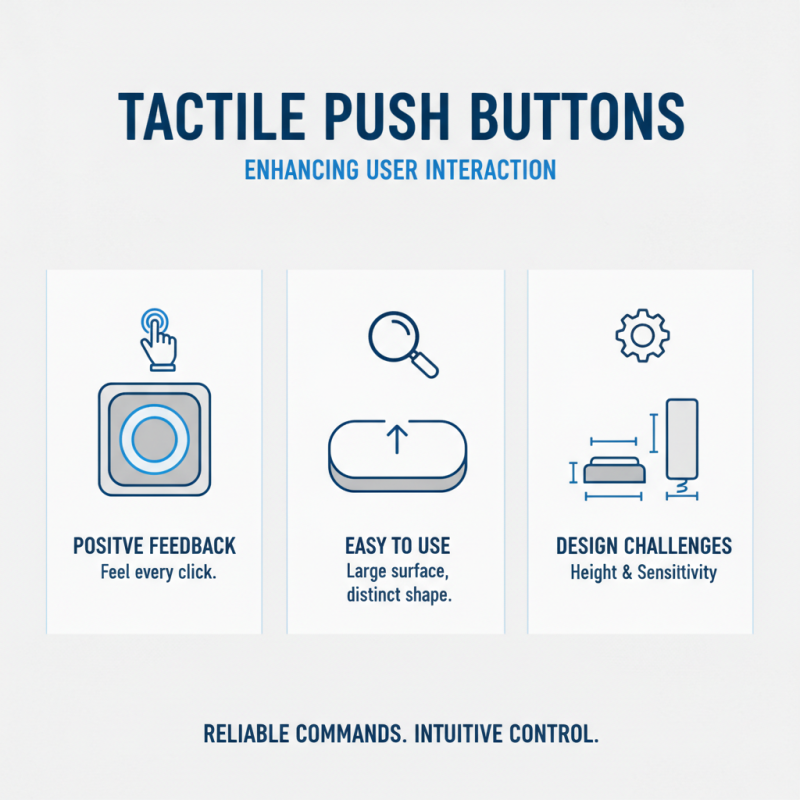
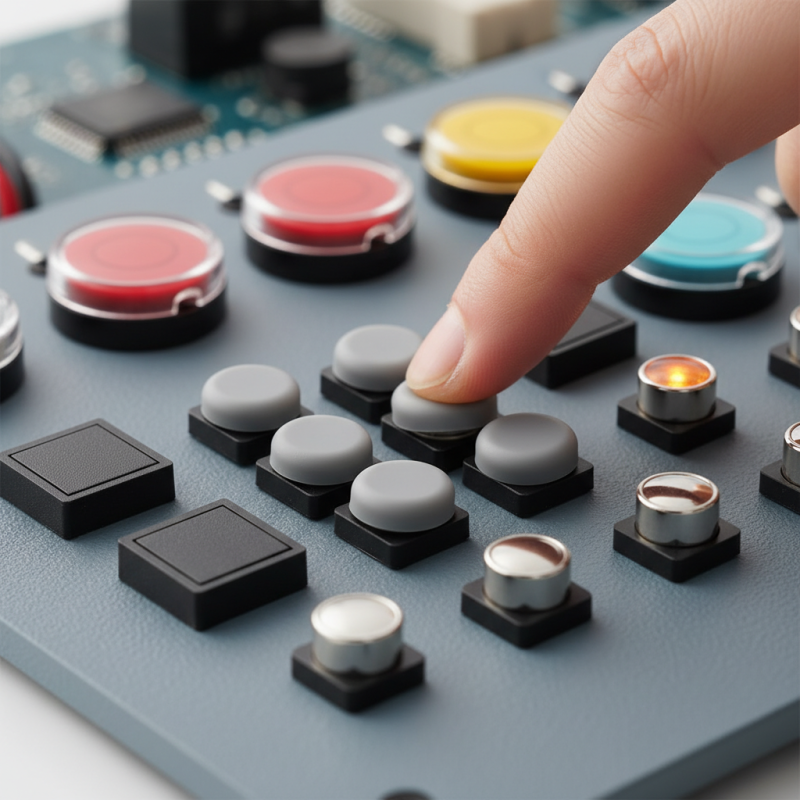
Tactile push buttons are essential components in various devices. Their design prioritizes user interaction, providing feedback with every press. This tactile response allows users to feel each click, ensuring commands are registered. The larger surface area and distinct shape make them easy to locate and use. However, designing an effective tactile button can be challenging. Manufacturers must consider factors like button height and sensitivity.
Incorporating tactile feedback requires careful consideration. If the button is too soft, users may struggle to know if a command has been executed. Conversely, a button that is too firm can lead to frustration. The ideal design strikes a balance, enabling a satisfying user experience. A variety of materials can be used to enhance durability and comfort, yet finding the perfect combination may require multiple iterations.
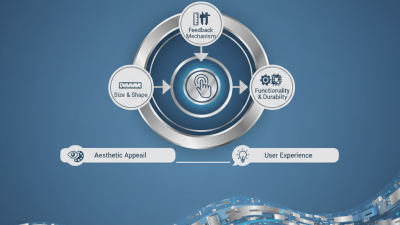
Creating the perfect tactile push button is not just about function. Aesthetics also play a role. The color, shape, and size should align with the overall design. Exploring different materials helps avoid monotony. Yet, it's important to test and refine each prototype. User feedback is invaluable here, even if it reveals flaws in initial designs. Understanding the nuances of tactile push buttons leads to better devices and improved user satisfaction.
Key Applications of Tactile Push Buttons in Various Industries
Tactile push buttons are widely used across various industries. Their unique design offers a satisfying feedback mechanism, making user interactions more intuitive. In consumer electronics, these buttons enhance devices’ usability. For instance, in remote controls, tactile buttons allow users to find and activate functions quickly.
In automotive applications, tactile push buttons play a crucial role. From infotainment systems to climate controls, they facilitate ease of access. Drivers can interact with controls without taking their eyes off the road. This improves safety and navigation experience.
Tip: Consider the placement of tactile buttons. They should be positioned where users naturally reach. Avoid cluttering designs; a clean interface improves user experience.
In industrial settings, tactile buttons are essential for machinery and equipment. Operators rely on reliable feedback. However, sometimes these buttons can become unresponsive. Regular maintenance is key to ensuring their functionality.
Tip: Test the responsiveness of buttons regularly. It helps prevent unexpected downtime. Be mindful of environmental factors that can affect button performance, such as dust or moisture.
Benefits of Using Tactile Push Buttons Over Other Types
Tactile push buttons offer unique advantages compared to other types of switches. These buttons provide immediate feedback through a physical click or snap, signaling successful activation. Users appreciate the satisfying response, enhancing their interaction with devices. This tactile feedback can be crucial in situations where auditory cues are insufficient, such as in noisy environments.
Moreover, tactile push buttons are often more durable. Their resistant nature allows them to withstand repetitive use without significant wear. This durability translates into lower maintenance costs over time. Using tactile buttons also boosts reliability. They operate effectively in diverse settings, from industrial machines to everyday gadgets. Despite their benefits, they can sometimes be harder to integrate into sleek designs. This aspect may lead to trade-offs in product aesthetics.
In certain applications, the size and layout become limitations. Designers must carefully plan their placement for optimal usability. However, this challenge can lead to innovative solutions, such as customizable layouts. As engineers and designers rethink how they use tactile buttons, they can uncover new potentials in user experience.
Tactile Push Button Usage and Benefits
Factors to Consider When Choosing Tactile Push Buttons
When choosing tactile push buttons, consider several key factors. The button's size and shape matter. Larger buttons may be easier to press, particularly for users with limited dexterity. Think about where the button will be placed. Buttons shown in bright colors are easier to locate.
Tip: Test various designs. Some users prefer concave buttons, while others like convex shapes. Pay attention to how each type feels under your fingers. The tactile feedback is essential. A firm click can provide satisfaction, making the device easier to use.
Another important factor is the button's actuation force. Some buttons require a gentle push, while others need more pressure. The right amount of force can greatly enhance user experience. Too much resistance can be frustrating.
Tip: Conduct user testing. Gather feedback from multiple people. Their responses are crucial in finding the right fit. A mismatch between expectations and reality can lead to disappointment. Consider the environment too. Will the buttons be used outdoors or in low-light areas? The right choice can improve accessibility.
Maintenance and Troubleshooting Tips for Tactile Push Buttons
Tactile push buttons are essential components in various devices. However, they can face issues over time. Maintenance is key to ensuring longevity and proper function.
Here are some useful tips. Clean the buttons regularly. Dust and dirt can accumulate, affecting their response. Use a soft, dry cloth to wipe them down. Avoid harsh chemicals that might damage the surface. Check for physical signs of wear. If a button feels sticky or unresponsive, it may need replacement.
Also, perform occasional troubleshooting. Listen for click sounds when pressed. A missing click could indicate an internal problem. If multiple buttons fail simultaneously, check the circuit connections. Faulty wiring can lead to unpredictable behavior. Addressing these problems early can save you time and effort later.
Tactile Push Button Best Uses and Benefits Explained
| Use Case |
Benefits |
Maintenance Tips |
Troubleshooting Tips |
| Consumer Electronics |
Provides user-friendly interface with tactile feedback. |
Regularly check for dirt accumulation; clean gently with a damp cloth. |
If unresponsive, check for loose connections or replace button. |
| Medical Devices |
Ensures prompt response during critical operations. |
Inspect frequently for proper functionality; test after cleaning. |
Test with a multimeter if button doesn’t engage. |
| Industrial Controls |
Durability under harsh conditions; reliable operation. |
Lubricate moving parts annually; ensure proper mounting. |
Check for wear and replace if any mechanical failure occurs. |
| Home Automation |
Simplifies operation of smart devices with intuitive controls. |
Verify connections and clean surfaces for optimal performance. |
If connection fails, troubleshoot wiring and check power supply. |
 008613968780263

 CONTACT NUMBER
 CONTACT