Why Does the Headphone Jack Matter in Modern Technology?
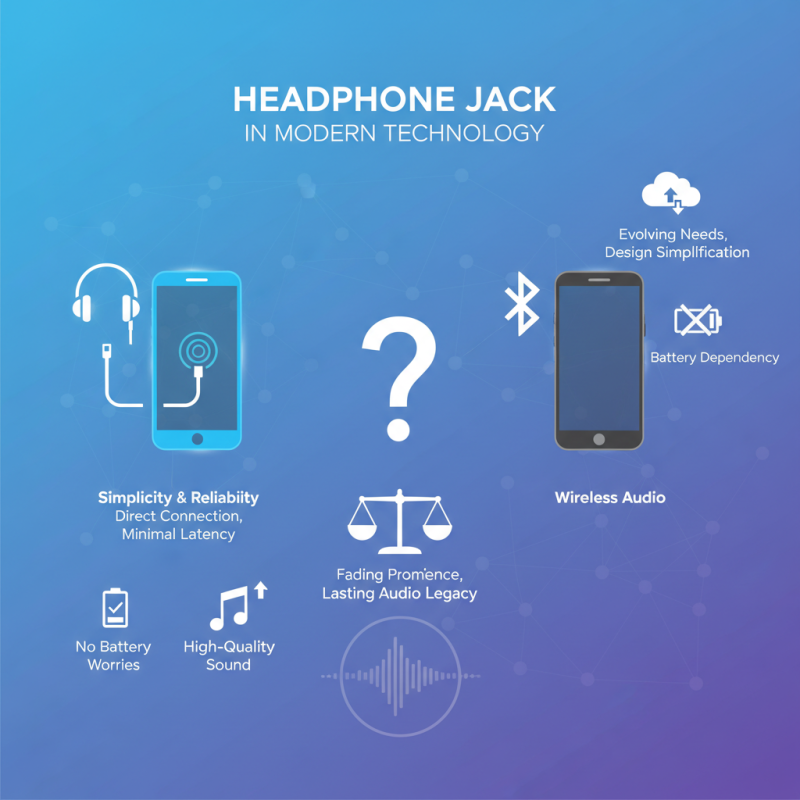
The headphone jack is a significant feature in modern technology. Despite the rise of Bluetooth and wireless audio devices, the headphone jack remains relevant. Many consumers still prefer wired headphones for their simplicity and reliability.
This traditional interface offers a direct connection with minimal latency. Users can enjoy high-quality sound without worrying about battery life. Yet, the persistent debate over its necessity prompts reflection on our evolving needs. Some argue that removing the headphone jack simplifies design, while others feel it limits choice.
The discussion about the headphone jack invites critical thinking. It challenges us to consider the balance between innovation and user preference. As technology progresses, the headphone jack may fade from prominence. However, its legacy will impact audio quality discussions for years to come.
The Historical Significance of the Headphone Jack in Audio Devices
The headphone jack has been a staple in audio technology for decades. Its origins date back to the early 20th century, revolutionizing how people consumed sound. Before its invention, audio devices relied on bulky speakers, limiting personal audio experiences. With the introduction of the headphone jack, individuals could enjoy music privately, enhancing both portability and personalization.
Over time, the headphone jack became synonymous with quality sound. It provides a stable connection, allowing for high-fidelity audio transmission. This is particularly important for audiophiles who value clarity and depth in their listening experience. Interestingly, despite the rise of wireless alternatives, many still advocate for the reliability of a traditional jack. Some argue that wireless technology introduces latency and compression issues, detracting from audio quality.
However, as technology evolves, the relevance of the headphone jack is debated. Some view it as outdated, while others see its continued importance. The debate raises questions about convenience versus quality. Many users express nostalgia for the simplicity of the headphone jack, often forgetting the frustration of tangled wires. Yet, embracing new technologies could lead to even more innovations in audio experiences.
Usage Trends of Audio Device Connections (2015-2023)
The chart illustrates the declining usage of headphone jacks compared to the rising popularity of Bluetooth audio connections from 2015 to 2023. This trend highlights the shift towards wireless audio technology in modern devices.
Evolution of Audio Technology: The Role of the Headphone Jack
The headphone jack has been a significant part of audio technology for decades. Its design is simple yet effective. It provides a universal connection for various devices. Many audiophiles appreciate the headphone jack for its analog signal quality. This is crucial for listening to music as intended by artists.
Over time, audio technology has evolved. Digital sound formats and wireless connections have gained popularity. Some argue that these advancements make the headphone jack obsolete. This view, however, overlooks its convenience and reliability. Wireless audio often suffers from latency and interference. The headphone jack offers a direct connection that minimizes these issues.
As we explore new tech trends, the headphone jack invites discussion. Are we losing something vital in this digital shift? Many still find comfort in traditional headphone jacks. They offer a simple solution for users who prioritize sound quality and a seamless listening experience. Future innovations will likely continue to challenge its relevance. Yet, the classic headphone jack remains an enduring feature in the audio landscape.
Impact of Removing the Headphone Jack on Consumer Preferences
The removal of the headphone jack has transformed consumer preferences significantly. Many users now rely on wireless audio solutions. This shift is evident in everyday scenarios. Commuters find convenience in Bluetooth headphones, eliminating tangled wires. The freedom to move without restrictions enhances the listening experience for many.
However, this change comes with some drawbacks. Not everyone appreciates the transition to wireless technology. Some consumers express nostalgia for the reliability of wired connections. Battery life remains a concern for those who prefer wireless options. Additionally, audio quality in wireless headphones can sometimes fall short of that in wired models.
This evolving landscape poses a challenge for manufacturers. They must balance innovation with consumer needs. As technology advances, so do expectations. The market has to reflect these changes while addressing the concerns of traditionalists. The dialogue around audio preferences continues, encouraging manufacturers to consider diverse needs.
Alternatives to the Headphone Jack: Benefits and Limitations
As technology evolves, alternatives to the headphone jack are rising in popularity. Wireless audio devices, like Bluetooth headphones, provide convenience. A report from the Consumer Technology Association notes that wireless headphone sales surged by 40% in 2022. Yet, these alternatives are not without limitations.
Bluetooth audio can face connectivity issues. Latency can disrupt the listening experience, particularly for gamers or video watchers. The audio quality of wireless headphones often struggles to match that of wired counterparts. A study from Soundguys indicates that over 70% of audio enthusiasts prefer wired connections for critical listening.
Tips: When selecting wireless headphones, look for codecs that support high-definition audio. This ensures better sound quality. Remember to check battery life, as some models may fall short during extended use. While conveniences are appealing, understanding these limitations can lead to informed decisions in audio technology.
Why Does the Headphone Jack Matter in Modern Technology?
| Aspect |
Headphone Jack |
Alternatives |
| Audio Quality |
High fidelity, minimal compression |
Varies, often lower quality due to compression (e.g., Bluetooth) |
| Compatibility |
Widely compatible with most devices |
Limited to devices supporting specific formats |
| Charging While Listening |
Allows charging and listening simultaneously |
Requires splitting ports or adapters |
| Cost |
Generally inexpensive equipment |
May require investment in wireless devices |
| Latency |
None |
Potential delay in sound |
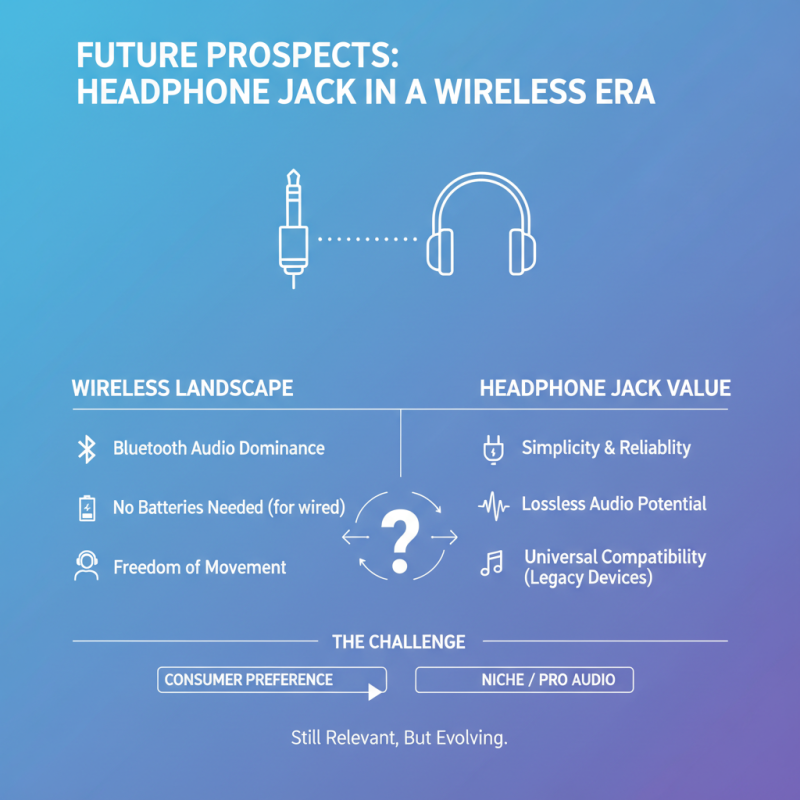
Future Prospects: The Headphone Jack in a Wireless Era
In today's wireless landscape, the headphone jack faces a unique challenge. Many devices prefer Bluetooth audio. Consumers often enjoy the freedom of wireless listening. Yet, the headphone jack still holds significant value. It offers simplicity and reliability. Users can plug in their headphones without complex setups or battery concerns.
As we look to the future, the debate continues. Will the headphone jack fade away completely? In some circles, its demise is seen as inevitable. However, audiophiles and professionals argue for its preservation. They appreciate the superior sound quality and zero latency. These aspects matter in fields like music production and gaming.
Still, reflecting on these shifts reveals a broader question: Is progress always beneficial? Wireless connections offer convenience, yet they can introduce issues like connectivity drops. Devices run out of battery, impacting usability. As technology evolves, the balance between convenience and quality will be crucial. The future may surprise us, as preferences shift and technology develops.
 008613968780263

 CONTACT NUMBER
 CONTACT