Top Extrusion Heat Sink Types for Effective Thermal Management Solutions?
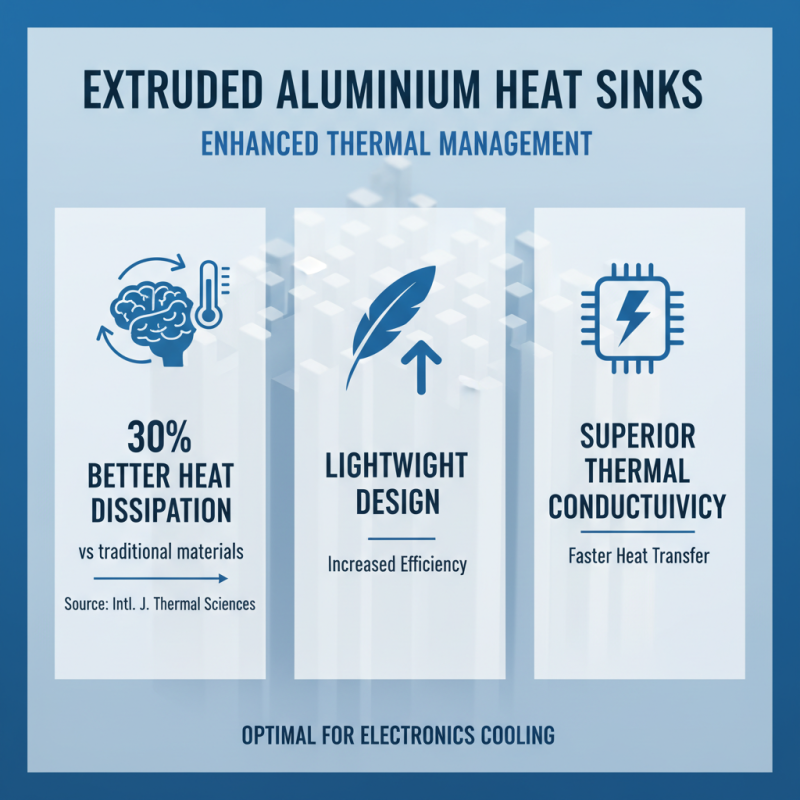
Effective thermal management is crucial for the reliable performance of electronic devices. The choice of heat sink design can significantly impact this aspect. Among various options, the "Extrusion Heat Sink" stands out due to its versatility and efficiency. This type not only enhances heat dissipation but also promotes an optimal thermal profile.
Extrusion heat sinks are made by pushing heated metal through a die, creating customized shapes. These shapes maximize surface area, allowing for better airflow and heat transfer. With advancements in manufacturing, extrusion techniques can produce more complex designs, catering to various applications in electronics.
However, not every extrusion heat sink design is ideal for all scenarios. Factors like material selection and size play a vital role in their effectiveness. Real-world testing and application can reveal potential limitations in specific environments. It's essential to evaluate and refine these designs continually. By understanding the intricacies of extrusion heat sinks, professionals can make informed decisions to enhance thermal management solutions.
Types of Extrusion Heat Sinks: An Overview of Popular Designs
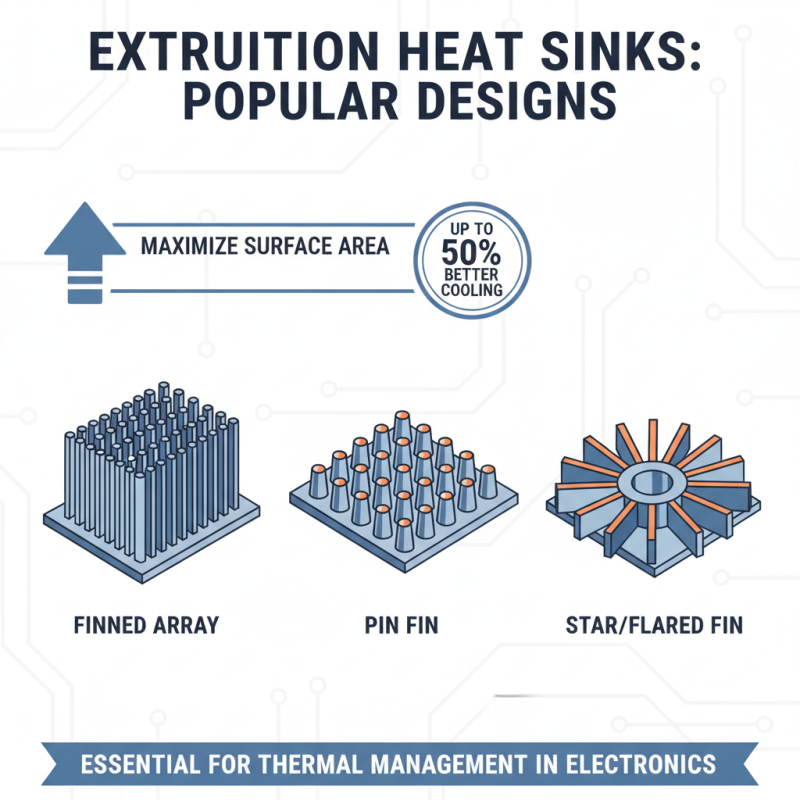
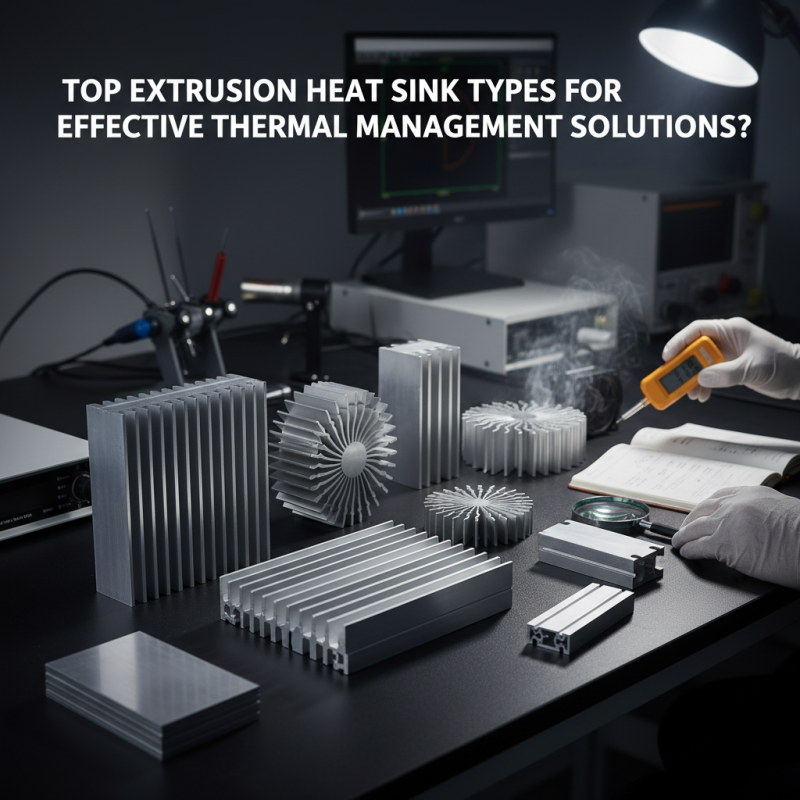
Extrusion heat sinks are essential for effective thermal management in electronic devices. They enhance heat dissipation, ensuring components operate within optimal temperature ranges. Various designs cater to specific applications, relying on fundamental principles of heat transfer and airflow. Reports show that maximizing surface area can improve cooling efficiency by up to 50%.
Among popular designs, the flat plate heat sink is widely adopted due to its simplicity and effectiveness. It suits low-power applications, as it provides adequate cooling with minimal material costs. Another common design is the finned heat sink, which uses extended surfaces to increase area. Engineers often choose this type for high-performance systems.
The performance of these heat sinks directly correlates with material choice and geometry. Aluminum is the preferred material for many because of its lightweight properties and good thermal conductivity. However, the challenge lies in balancing cost and efficiency; some high-performance materials can significantly increase production expenses. Engineers must carefully consider trade-offs when selecting the best design.
Factors to Consider When Choosing an Extrusion Heat Sink Type
When selecting an extrusion heat sink type, several factors are crucial. The application requirements greatly influence the decision. Consider the operating temperature range. A heat sink must handle the thermal load effectively without compromising performance. The thermal conductivity of materials is also essential. Aluminum is a popular choice due to its lightweight and conductive properties.
Another factor is the space available for the heat sink. Compact designs may require special profiles to maximize surface area. Additionally, airflow patterns around the heat sink should be evaluated. Inadequate airflow can hinder heat dissipation, affecting overall efficacy. Think about the manufacturing process too. Some designs are easier to fabricate but might lack efficiency.
Installation and maintenance are often overlooked. Complexity in installation may increase costs and labor. A heat sink that’s easy to maintain ensures long-term reliability. Consider cost versus performance too. A cheaper option might not always offer the best thermal management. Each decision impacts the heat sink’s effectiveness in managing thermal loads. Reflecting on these aspects leads to better choices for various applications.
Top Extrusion Heat Sink Types for Effective Thermal Management
This chart compares various materials used for extrusion heat sinks based on their thermal conductivity. Aluminum and copper stand out with the highest thermal conductivity, making them ideal for efficient thermal management solutions.
Comparative Analysis of Passive vs. Active Heat Sink Solutions
When it comes to thermal management, understanding passive and active heat sinks is crucial. Passive heat sinks rely on natural convection to dissipate heat. They are typically made from aluminum or copper, featuring fins or other modifications to increase surface area. These designs are cost-effective and require no power. However, their efficiency can be impacted by environmental factors, like airflow.
Active heat sinks, meanwhile, use fans or other mechanical means to enhance cooling. They can handle higher heat loads, making them ideal for high-performance applications. Yet, this complexity introduces potential points of failure and increases energy consumption. Finding the right balance is key.
Tips: Regular maintenance can enhance performance for both types. Ensure airflow isn’t obstructed by debris. For active solutions, monitor fan speeds and replace worn components. Keep an eye on temperature variations as they can indicate inefficiencies. Remember, not all setups require active cooling; sometimes, simplicity is better. Adjusting designs to fit specific needs can improve reliability and efficiency.
Top Extrusion Heat Sink Types for Effective Thermal Management Solutions
| Heat Sink Type |
Design |
Material |
Thermal Conductivity (W/mK) |
Cooling Mechanism |
Application |
| Passive Heat Sink |
Finned Structure |
Aluminum |
205 |
Natural Convection |
LED Lighting |
| Active Heat Sink |
Finned with Fan |
Copper |
400 |
Forced Convection |
High-Performance Computing |
| Heat Pipe Heat Sink |
Heat Pipe Integration |
Aluminum/Copper |
Conductive Properties Vary |
Heat Transfer via Phase Change |
Electronics Cooling |
| Liquid Cooling Heat Sink |
Water Block |
Copper |
400 |
Liquid Conduction |
Gaming Systems |
| Peltier Cooler |
Thermoelectric Module |
Semiconductor Material |
Varies |
Thermoelectric Cooling |
Scientific Instruments |
Innovative Trends in Extrusion Heat Sink Technology for Thermal Management
The landscape of thermal management is evolving rapidly. One of the most notable innovations is in extrusion heat sink technology. This advancement plays a crucial role in various industries, including electronics and automotive sectors. A recent report by the Thermal Management Forum indicates a 15% increase in the efficiency of extrusion heat sinks over traditional designs. This efficiency is essential for optimizing temperature control in compact spaces.
Design flexibility is a significant trend in extrusion heat sinks. Engineers can now create intricate shapes that enhance surface area. Increased surface area improves heat dissipation, ensuring temperature stability in sensitive equipment. Moreover, adopting lightweight aluminum alloys has enhanced thermal conductivity. Studies suggest that these materials can increase heat transfer rates by 20%, offering more sustainable energy solutions.
Despite these advancements, challenges remain. The manufacturing process can be prone to defects, impacting performance. Additionally, there's a growing need for standardization in extrusion processes across industries. A recent survey revealed that 30% of companies struggle with efficiency due to inconsistencies in heat sink production. Addressing these issues is critical for maximizing the potential of extrusion heat sinks.
 008613968780263

 CONTACT NUMBER
 CONTACT