10 Essential Tips for Maintaining Your Metal Radiator?
Metal radiators play a crucial role in our heating systems. They not only help in warming our homes but also add an aesthetic touch. Yet, many homeowners overlook their maintenance. A neglected metal radiator can lead to inefficiency and costly repairs.
Maintaining your metal radiator requires attention and care. Regular cleaning and checks can prevent rust and build-up. It’s easy to assume that radiators don’t need much. However, small issues can escalate into bigger problems. Over time, sediment can accumulate, impacting performance.
Routine maintenance is essential for longevity. Check for leaks frequently and ensure proper airflow. Insulating your metal radiator can also enhance efficiency. Remember, even a well-made radiator needs regular TLC. Embrace these tips to ensure warmth and efficiency for years to come.
Understanding the Components of Metal Radiators
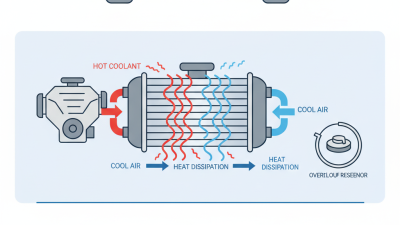
Metal radiators are essential for effective heating. Understanding their components helps in maintaining them properly. Radiators typically consist of pipes, fins, and valves. The pipes carry the hot water, while the fins increase surface area. This structure maximizes heat distribution in a room.
Regular maintenance ensures optimal performance. One essential tip is to bleed your radiator regularly. Trapped air prevents efficient heating. Use a radiator key to release any built-up air. Another tip is to check for leaks. A drop of water can indicate a problem. Ignoring leaks can cause further damage over time.
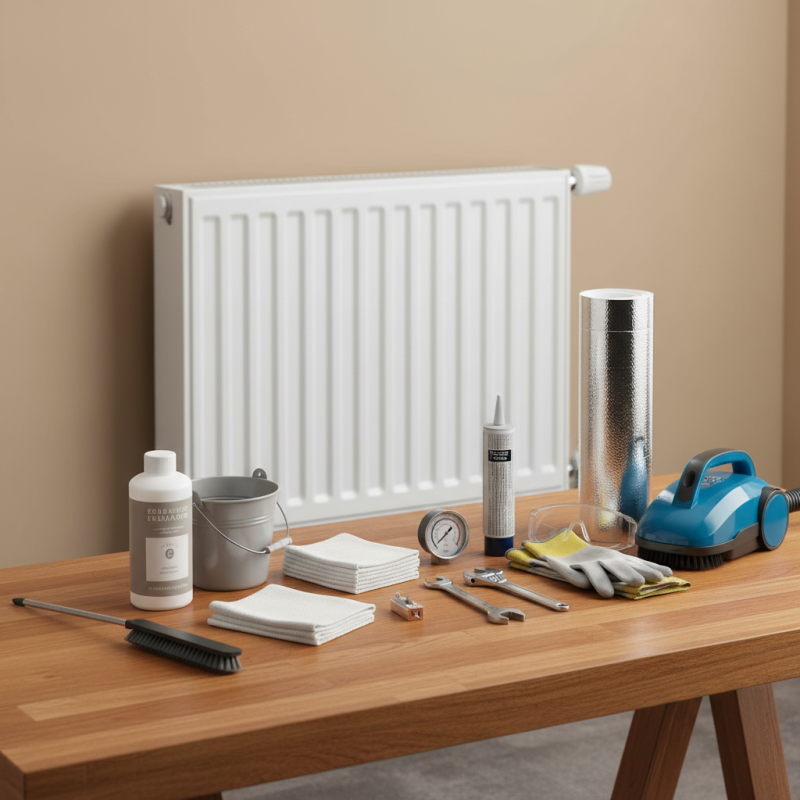
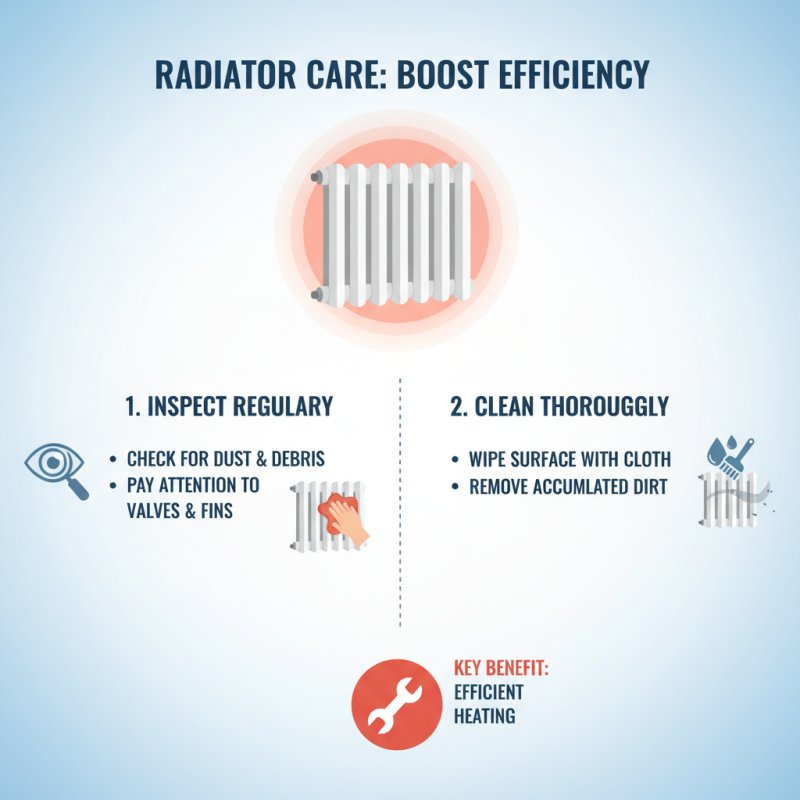
Keep the radiator clean. Dust can accumulate on the fins. This reduces heat transfer efficiency. Wipe the surface using a damp cloth. Do not forget to clean behind the radiator, too. Many overlook this area, leading to dust build-up. Investing time in maintenance pays off in warmer rooms.
How to Bleed Your Radiator to Improve Efficiency
Bleeding your metal radiator is an essential task for home maintenance. It helps release trapped air and improves heating efficiency. When there’s air in the system, hot water can’t circulate properly. This results in cold spots and uneven heating. A radiator that is properly bled will heat up more evenly, making your space more comfortable.
To bleed your radiator, start by turning off your heating system. Let it cool down for a while. You'll need a radiator key or a flathead screwdriver, depending on your radiator type. Place a bowl or towel underneath the valve to catch any dripping water. Carefully turn the valve counterclockwise until you hear hissing. This sound indicates air escaping. Be prepared for water to follow once the air has released.
While it might seem easy, many people overlook this step. Sometimes, you may even forget to check other radiators if they’re not heating evenly. It’s worth reviewing your entire system. Neglecting this check can lead to larger issues down the line. Remember, maintaining your radiator not only improves efficiency but prolongs its lifespan as well.
Identifying and Repairing Common Radiator Issues
When dealing with metal radiators, common issues can arise over time. One frequent problem is rust. If you see reddish spots or flakes, the metal is likely corroding. Address this quickly to avoid larger leaks. Cleaning the exterior with a damp cloth can help but does not fix underlying damage.
Another issue is leaks, often caused by loose fittings or cracks. Check for water pooling around the radiator. Tightening connections can sometimes help. However, if the radiator is cracked, a patch or replacement may be necessary. Regular checks will save you from more significant repairs down the road.
Monitor the temperature of your radiator, too. If it doesn’t heat evenly, there might be trapped air inside. Bleeding the radiator releases this air and can improve its efficiency. Maintain a consistent maintenance routine, even if it feels tedious. Small actions can prevent bigger problems in the future.
10 Essential Tips for Maintaining Your Metal Radiator
| Tip # |
Maintenance Tip |
Frequency |
Common Issues |
Repair Suggestions |
| 1 |
Check for leaks |
Monthly |
Water puddles, rust |
Seal leaks with epoxy or call a professional. |
| 2 |
Bleed the radiator |
Every season |
Cold spots in the radiator |
Use a radiator key to release trapped air. |
| 3 |
Clean the surface |
Monthly |
Dust accumulation |
Wipe down with a damp cloth; use a brush for crevices. |
| 4 |
Inspect valves |
Every 6 months |
Hard to turn, leaks |
Lubricate or replace if necessary. |
| 5 |
Check water levels |
Monthly |
Low heat output |
Top up with water, check expansion tank. |
| 6 |
Monitor for unusual noises |
As needed |
Banging, hissing |
Inspect for trapped air or debris. |
| 7 |
Ensure proper insulation |
Seasonally |
Heat loss |
Add insulating panels behind the radiator. |
| 8 |
Monitor radiator temperature |
Weekly |
Inconsistency in heating |
Call a technician for thermostat or pressure issues. |
| 9 |
Inspect surrounding space |
Monthly |
Obstructed airflow |
Remove furniture or objects blocking the heat. |
| 10 |
Schedule professional maintenance |
Annually |
General wear and tear |
Contact a heating specialist for a comprehensive check. |
Best Practices for Painting and Aesthetic Maintenance of Radiators
When it comes to maintaining metal radiators, proper painting and aesthetic care can make a significant difference. Start by cleaning the radiator’s surface with a damp cloth to remove dust and grime. This step is crucial because a clean surface ensures better paint adhesion. Opt for a high-quality primer before painting. This helps in preventing rust, especially in areas prone to moisture.
Choosing the right paint can elevate the radiator's look. Consider using paint specifically designed for metal surfaces. It should withstand high temperatures too. Applying the paint in thin layers is essential. Thick layers could lead to peeling. Keep a steady hand while painting, but don’t stress about achieving perfection. Drips and uneven patches can be charming in their own way. Embrace the quirks of your DIY project; it adds character to your radiator.
After painting, allow ample time for drying. This could take several hours or even a day, depending on the environment. During this time, reflect on the overall aesthetic of your space. Consider how the radiator integrates with the room's design. Each paint job is a chance to learn and improve for the next time. Mistakes may happen, but that’s part of the creative process. Enjoy the journey of maintaining your metal radiator.
10 Essential Tips for Maintaining Your Metal Radiator
 008613968780263

 CONTACT NUMBER
 CONTACT