10 Essential Tips for Choosing the Right Metal Shielding Cover
In today's electronic landscape, choosing the right Metal Shielding Cover is crucial for device performance. According to a report by MarketsandMarkets, the global electromagnetic interference (EMI) shielding market is projected to reach $8.57 billion by 2026. This highlights the growing demand for reliable shielding solutions across various industries, including automotive, aerospace, and telecommunications.
Selecting an appropriate Metal Shielding Cover involves a careful assessment of several factors. Material type, thickness, and design play pivotal roles in achieving optimal protection against EMI and radio frequency interference (RFI). Studies show that inadequate shielding can lead to a 30% decrease in electronic device efficiency. Such declines can impact product reliability and consumer trust.
It is also essential to be aware of the industry standards and certifications relevant to shielding materials. Compliance ensures that the chosen solution meets specific performance and safety guidelines, increasing reliability. However, not all components on the market are created equal. Some may boast high ratings without the robust performance necessary for demanding applications. Thus, a rigorous evaluation is vital for ensuring effectiveness and securing device functionality.
Understanding the Importance of Metal Shielding Covers in Electronics
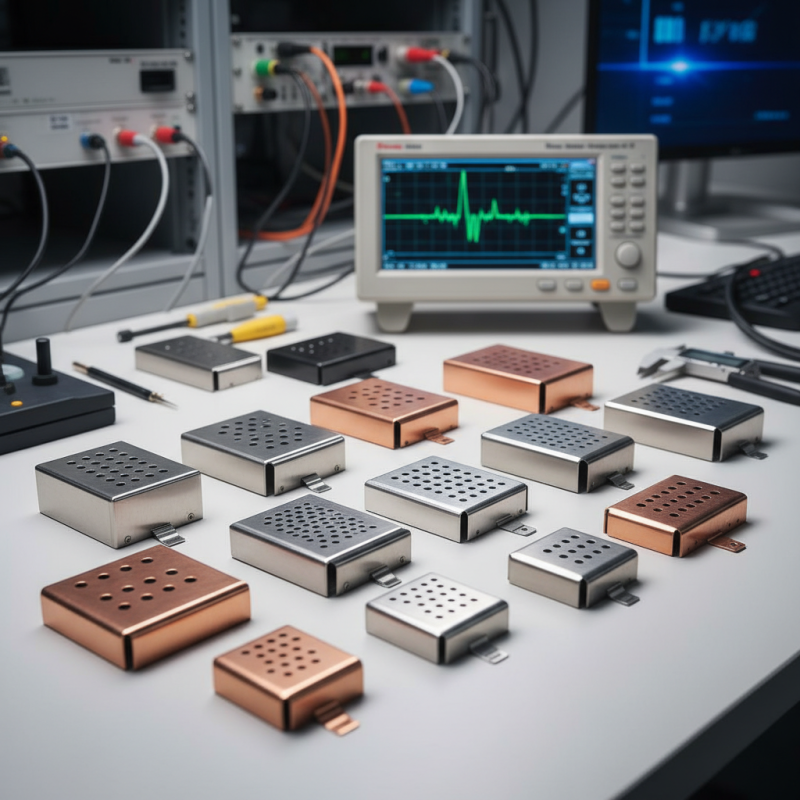
Metal shielding covers play a crucial role in the world of electronics. Their primary function is to guard sensitive components from electromagnetic interference (EMI). This is vital for ensuring that devices operate smoothly. Without proper shielding, electronic devices can malfunction. This can lead to performance issues, data loss, or even complete failure.
Choosing the right metal shielding cover requires understanding various materials and designs. Certain metals excel in absorbing or reflecting EMI, while others may offer less protection. The specific application also matters—different devices require tailored shielding solutions. Moreover, not every solution will fit or perform well. This necessitates a careful evaluation of each project’s unique needs. Many manufacturers face challenges when determining the best shield type. This learning process, while sometimes frustrating, can lead to better decision-making in the long run.
10 Essential Tips for Choosing the Right Metal Shielding Cover
| Tip Number |
Tip Description |
Importance |
Material Type |
Application |
| 1 |
Assess electromagnetic interference (EMI) levels. |
Critical for performance. |
Copper |
High-frequency circuits. |
| 2 |
Choose the right thickness for your application. |
Influences shielding effectiveness. |
Aluminum |
Consumer electronics. |
| 3 |
Consider the environmental conditions. |
Affects durability. |
Stainless Steel |
Outdoor equipment. |
| 4 |
Evaluate the shape and size of components. |
Essential for proper fit. |
Brass |
Precision devices. |
| 5 |
Check for compliance with industry standards. |
Ensures safe operation. |
Copper-Nickel Alloy |
Medical devices. |
| 6 |
Analyze the cost-effectiveness of the material. |
Balancing quality and budget. |
Polycarbonate with Conductive Coating |
Lightweight applications. |
| 7 |
Determine the installation method. |
Facilitates easier assembly. |
Aluminium Alloy |
Modular systems. |
| 8 |
Look for custom options if necessary. |
Tailored solutions for unique needs. |
Titanium |
Aerospace applications. |
| 9 |
Seek recommendations from industry experts. |
Gains insights and experience. |
Lead-free Alloys |
Sustainable practices. |
| 10 |
Perform regular testing and validation. |
Ensures ongoing effectiveness. |
Various Metals. |
General applications. |
Key Materials Used in Metal Shielding Covers and Their Properties
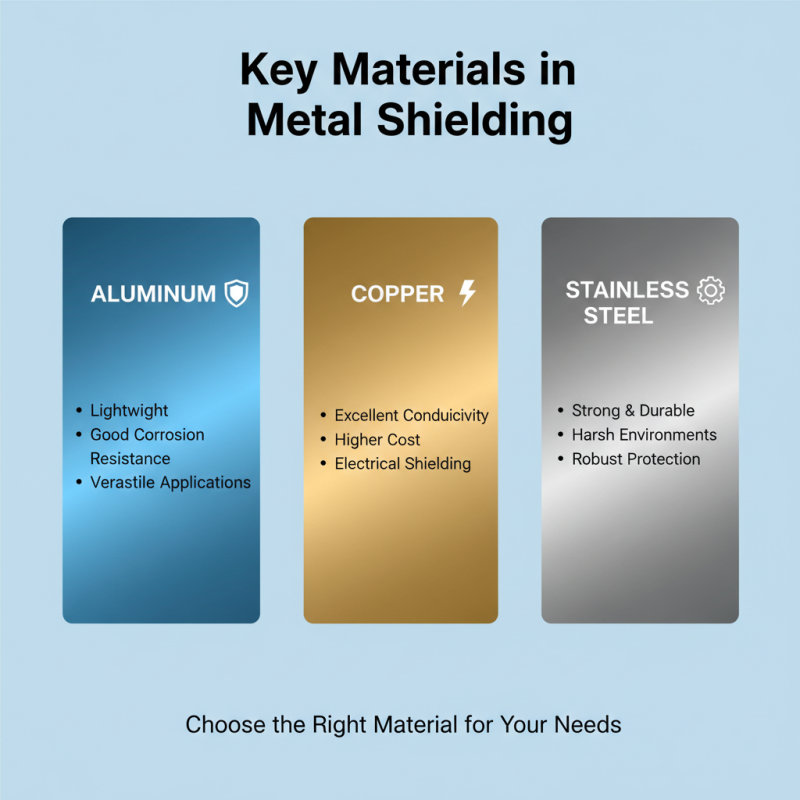
When selecting a metal shielding cover, understanding the materials involved is crucial. Common materials include aluminum, copper, and stainless steel, each with unique properties. Aluminum is lightweight and offers good corrosion resistance, making it suitable for various applications. Copper excels in conductivity but can be more expensive. Stainless steel is strong and durable, providing excellent protection in harsh environments.
Consider the application while choosing materials. For radio frequency shielding, thin layers of aluminum or copper may suffice. Heavier materials, like stainless steel, might be necessary for physical protection. The choice can affect cost and performance, so it's critical to weigh these factors based on your needs.
Remember, not all shielding solutions are perfect. Some materials might not perform as expected under certain conditions. Test different options to find the best fit. The right choice often involves trial and error, highlighting the need for a thorough evaluation of material properties. Exploring various combinations can lead to better results.
Factors to Consider When Choosing Metal Shielding Covers for Specific Applications
Choosing the right metal shielding cover involves understanding specific application requirements. Different environments call for different materials and designs. For example, high-frequency applications may need covers with minimal attenuation. A thorough comprehension of the electromagnetic interference (EMI) your devices face is crucial.
Consider durability when selecting a cover. The environment plays a significant role in this. Will the cover face extreme temperatures or corrosive substances? Rust can compromise protection. Moreover, think about the installation process. Complex designs could require specialized skills or tools.
Another factor is the cost-effectiveness of the cover. Sometimes, the cheapest option doesn’t provide adequate shielding. We must balance budget and functionality. You may find yourself questioning whether a higher initial cost leads to long-term savings. Overall, evaluating these factors involves careful thought and planning.
Metal Shielding Cover Selection Factors
Assessing Environmental Conditions for Optimal Metal Shielding Performance
When selecting a metal shielding cover, it's crucial to assess environmental conditions thoroughly. Different environments present unique challenges. Factors such as humidity, temperature extremes, and exposure to corrosive elements can severely impact shielding performance. For instance, excessive moisture can lead to rust, while high temperatures might cause warping.
Understanding the specific conditions in which the shielding will operate is essential. Will it be used outdoors, exposed to rain and wind? Or will it be installed in a controlled indoor environment? Each scenario demands a tailored approach to materials and design. Choosing the right metal alloy can mitigate corrosion and enhance durability.
Consideration of these elements is pivotal. Sometimes, common defaults, like ignoring geographic factors, can lead to significant issues down the line. A well-informed selection process can save time and costs related to repairs or replacements. It's not just about picking any shielding; it's about ensuring it withstands the test of its environment.
Techniques for Installing and Maintaining Metal Shielding Covers Effectively
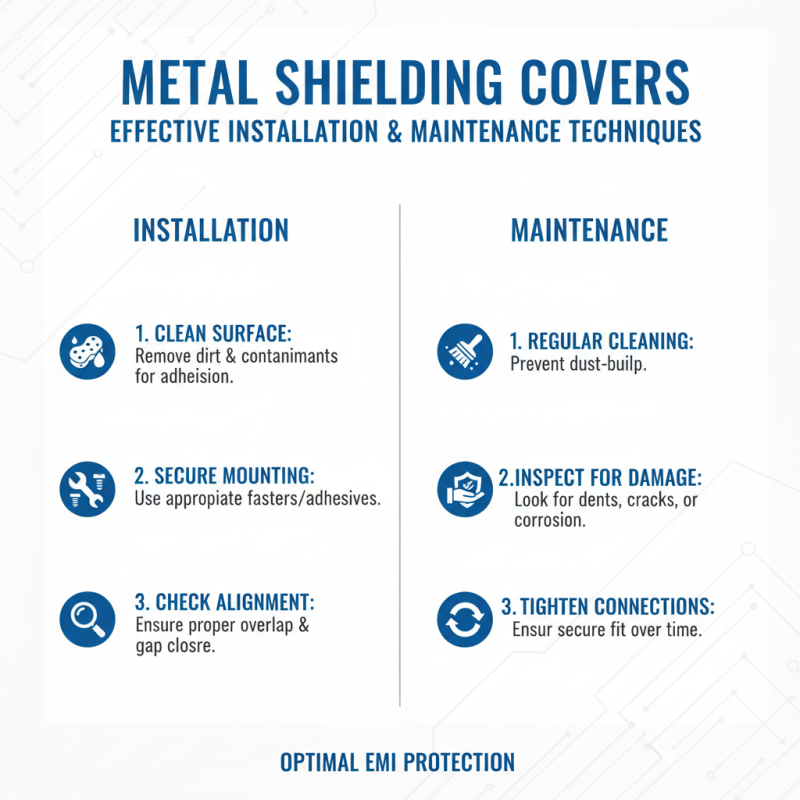
When it comes to installing metal shielding covers, several techniques can enhance their effectiveness. Proper installation is crucial to ensure optimal performance in shielding against electromagnetic interference. First, ensure the surface is clean and free of contaminants. Any dirt or debris can affect the adhesion and functionality.
One important tip during installation is to use the right fixing materials. Fasteners should be non-corrosive and of suitable strength. Inadequate materials can lead to looseness over time, compromising the shield's integrity. Pay attention to the thickness of the metal cover as well. It should be appropriate for the application to ensure adequate protection.
Regular maintenance is equally vital. Check for signs of wear, corrosion, or damage at least once a month. It's easy to overlook minor issues until they escalate. If you notice any discoloration or rust, address it immediately. This can prolong the lifespan of the metal shielding cover. Remember, routine inspections also help maintain compliance with safety standards. Trust your instincts; if something feels off, it’s worth investigating further.
 008613968780263

 CONTACT NUMBER
 CONTACT