What is Die Casting Heat Sink and Why is it Essential?
Die Casting Heat Sink is a critical component in modern electronics. As devices become more powerful, effective thermal management is vital. These heat sinks ensure optimal performance by dissipating heat efficiently.
The manufacturing process of Die Casting creates intricate designs that enhance cooling efficiency. By using metal alloys, these components achieve impressive thermal conductivity. This improves device longevity and reliability, making Die Casting Heat Sinks essential in industries like automotive and consumer electronics.
However, one must be aware of potential shortcomings. While Die Casting Heat Sinks offer many advantages, they are not without challenges. Issues like metallurgical defects can occur during production. Addressing these problems is crucial for maintaining quality and performance standards. This complexity highlights the importance of expertise in the design and manufacturing process.
What is Die Casting Heat Sink?
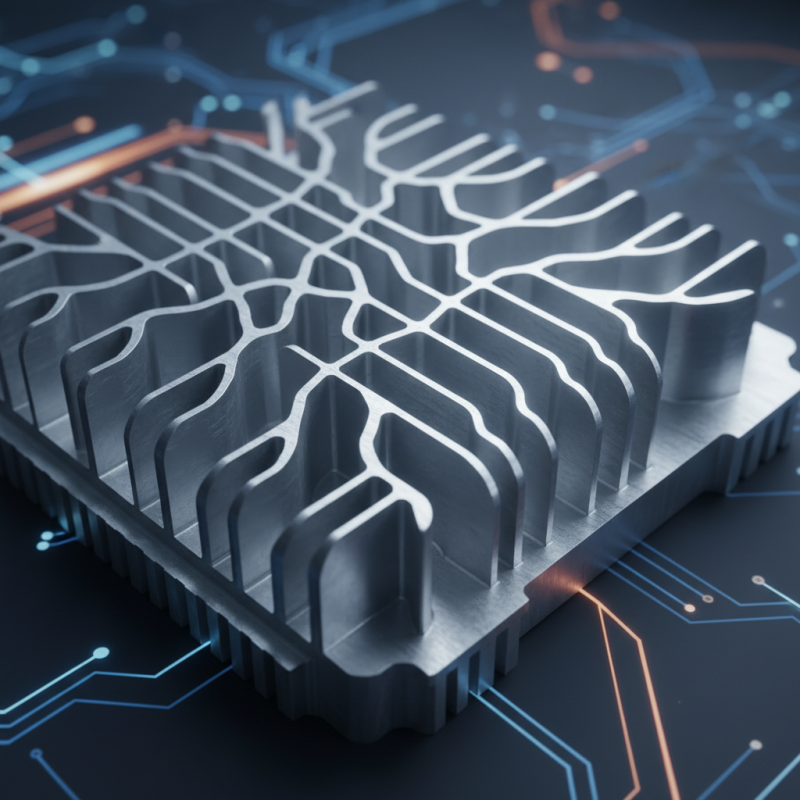
Die casting heat sinks play a crucial role in modern electronic devices. They effectively manage heat, ensuring optimal performance and longevity. These heat sinks are made from materials like aluminum or zinc alloy through the die casting process. This process provides precise dimensions and excellent surface finishes, critical for efficient thermal management.
The die casting method allows for complex designs. Manufacturers can produce intricate shapes that traditional methods can't achieve. This flexibility enhances the heat sink's effectiveness in dissipating heat. Precision in manufacturing is vital. It ensures that the heat sink fits perfectly with electronic components, maximizing contact and heat transfer.
Tips for selecting a die casting heat sink include considering the thermal conductivity of materials. Aluminum is lightweight and efficient, while copper offers superior heat dissipation. Also, assess the heat sink's design. Fins or increased surface area can improve cooling performance. Remember, not all designs suit every application. Testing and evaluation are essential. Each electronic device has unique heat management needs, so customization may be necessary.
The Process of Die Casting in Heat Sink Production
Die casting is a popular manufacturing process for producing high-quality heat sinks. This method offers precise dimensions and smooth surfaces, making it ideal for thermal management in electronics. The die casting process begins with melting metal, typically aluminum or zinc. The molten metal is then injected into a pre-made mold under high pressure. This ensures that every detail of the mold is captured, resulting in a consistent and effective heat sink.
During die casting, controlling the temperature is crucial. Proper temperature management affects the quality of the final product. If the metal cools too quickly, it may lead to defects like porosity or warping. Careful monitoring throughout the process can help mitigate these risks.
Tips: Use high-quality molds to enhance the durability and life of the heat sink. Regular maintenance of the die casting machines ensures stable performance. Understand the cooling rates of different metals. This knowledge can significantly improve the efficiency of production.
Key Materials Used in Die Casting Heat Sinks
Die casting heat sinks are crucial for effective thermal management in electronic devices. The choice of materials in their construction significantly impacts performance and durability. Primarily, aluminum is favored for its excellent thermal conductivity and lightweight nature. It facilitates rapid heat dissipation, essential for keeping devices operational.
Another commonly used material is copper. Copper surpasses aluminum in thermal conductivity but comes at a higher cost. Its density adds weight, which might not suit every application. However, it offers unparalleled heat transfer, making it ideal for high-performance scenarios. Some manufacturers even combine aluminum and copper for optimized results.
Some challenges arise in using these materials. For example, the die casting process can introduce defects. Air bubbles or misalignments can compromise the integrity of the heat sink. Engineers must remain vigilant during production. Testing and quality control are vital to ensure the best results. Understanding these materials helps to innovate and enhance thermal management solutions.
What is Die Casting Heat Sink and Why is it Essential? - Key Materials Used in Die Casting Heat Sinks
| Material |
Thermal Conductivity (W/m·K) |
Density (g/cm³) |
Melting Point (°C) |
Application |
| Aluminum Alloys |
205-230 |
2.7 |
660 |
General-purpose heat sinks |
| Zinc Alloys |
120-160 |
7.1 |
420 |
Cost-sensitive applications |
| Magnesium Alloys |
156 |
1.74 |
650 |
Lightweight applications |
| Copper Alloys |
370-400 |
8.9 |
1085 |
High-performance heat sinks |
The Importance of Heat Dissipation in Electronics
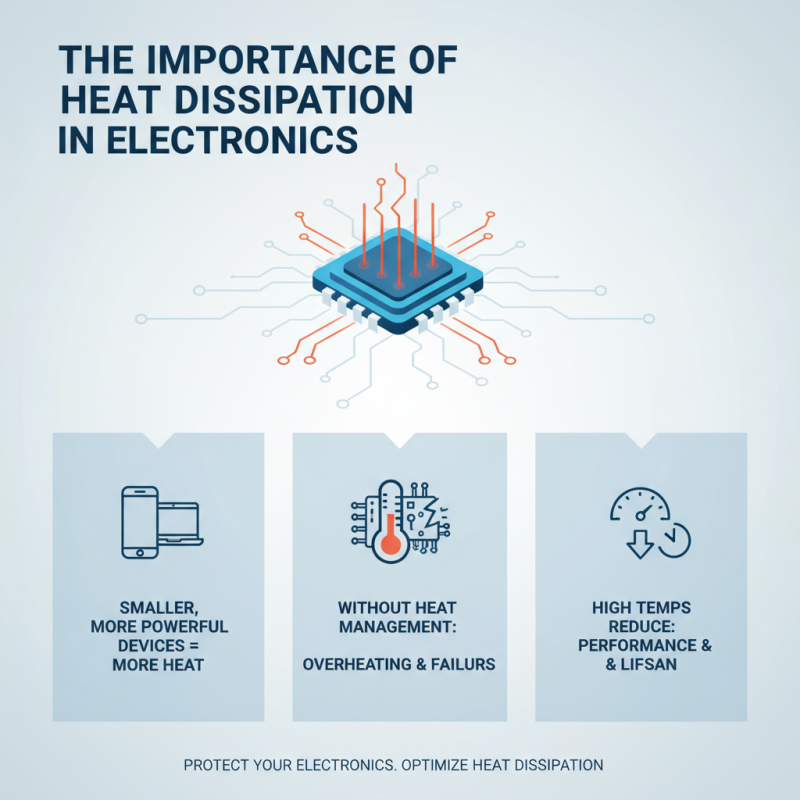
Heat dissipation is critical in electronics. As devices become smaller and more powerful, the need to manage heat increases. Without effective heat management, components can overheat, leading to failures. High temperatures can reduce performance and lifespan.
Die casting heat sinks are effective solutions for this challenge. These heat sinks are made from alloys that efficiently conduct and dissipate heat. Their design maximizes surface area, allowing better heat exchange with the environment. In many cases, these components are essential for maintaining optimal operating conditions. However, some may overlook their importance, leading to overheating issues.
Moreover, proper heat dissipation can enhance device reliability. It can improve energy efficiency and overall user experience. Some designers might struggle to achieve the ideal balance between size and performance. This challenge requires continuous innovation and careful material selection. Understanding the complexities of heat dissipation is vital for advancing electronic technology.
Applications of Die Casting Heat Sinks in Various Industries
Die casting heat sinks play a vital role in various industries. They are essential for dissipating heat from electronic components. These heat sinks help improve performance and prolong the life of devices. Often found in automotive, aerospace, and consumer electronics, their applications are extensive.
In the automotive industry, die casting heat sinks ensure efficient engine cooling. They are designed for high durability and reliability. Aerospace applications require lightweight yet strong structures. Die casting is beneficial due to its precision and ability to create complex shapes. This is crucial for components exposed to extreme temperatures.
Tip: When selecting a heat sink, consider thermal conductivity and weight. The right choice can enhance system performance. Additionally, using die casting methods can reduce manufacturing costs. However, it’s important to assess long-term impacts on overall energy efficiency. Attention to design flaws is crucial in these applications.
In consumer electronics, devices have become more compact. The need for effective heat management is greater than ever. Die casting heat sinks can accommodate these design changes. Yet, manufacturers must balance aesthetics and function while avoiding potential over-heating issues. Regular evaluations help in identifying any inefficiencies.
 008613968780263

 CONTACT NUMBER
 CONTACT