How to Choose the Right Vehicle Radiator for Your Car?
Choosing the right vehicle radiator for your car is crucial. The proper radiator ensures that your engine remains at the optimal temperature. A malfunctioning radiator can lead to engine overheating, which may cause severe damage.
Different vehicles require different types of radiators. Factors such as make, model, and engine type play significant roles. A suitable vehicle radiator enhances the overall performance of your car. If you select the wrong one, problems may arise. You might face coolant leaks or poor heat dissipation.
It’s essential to consider quality and compatibility. Some radiators might look similar but differ in specifications. Research becomes vital in this process. Reading reviews and seeking expert advice can help. Reflect on your own needs and driving habits. Do you use your car for daily commutes or long trips? The answer will influence your decision significantly.
Understanding the Role of Radiators in Car Cooling Systems
The radiator plays a crucial role in your car's cooling system. It helps maintain an optimal engine temperature by dissipating heat. Without it, your engine could overheat, leading to serious damage. Understanding its function is key when you need a replacement. Radiators transfer heat away from the engine through coolant circulation. When hot coolant flows into the radiator, it cools down before returning. This cycle is essential for engine efficiency.
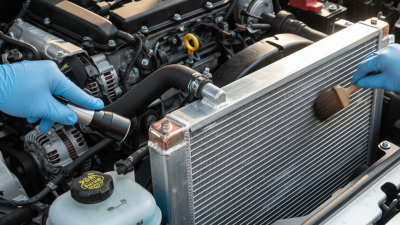
Tips: Check the radiator's condition regularly. Look for leaks or corrosion. Small issues can indicate bigger problems. Listen for unusual sounds, too. To ensure longevity, maintain proper coolant levels. Use the correct type of coolant specified for your car.
When choosing a radiator, consider the material. Aluminum radiators are lightweight and efficient but can be pricey. Plastic radiators, while cheaper, might not last as long. Think about your driving habits and the climate you’re in. Is your car often in stop-and-go traffic? Hot weather can strain the cooling system. It’s worth noting that compatibility with your car model matters. Misfitting radiators lead to inefficient cooling.
How to Choose the Right Vehicle Radiator for Your Car?
| Radiator Type |
Material |
Cooling Capacity (BTU/h) |
Compatibility |
Price Range |
| Crossflow Radiator |
Aluminum |
30,000 |
Most Sedans |
$100 - $300 |
| Downflow Radiator |
Copper/Brass |
25,000 |
Older Vehicles |
$150 - $400 |
| Plastic Tanks and Aluminum Core |
Plastic + Aluminum |
28,000 |
SUVs and Trucks |
$120 - $350 |
| All-Aluminum Radiator |
Aluminum |
32,000 |
Performance Vehicles |
$250 - $500 |
Key Factors to Consider When Selecting a Vehicle Radiator
When selecting a vehicle radiator, several key factors should be considered. Start with the size. A proper fit is crucial for efficiency. Measure the existing radiator. Ensure the new one matches those dimensions closely. A mismatched size can lead to overheating and other problems.
Material choice is another point. Aluminum and copper are common options. Aluminum is lighter and often cheaper. Copper, however, may provide better heat dissipation. Think about your driving habits. If you tow or drive in extreme conditions, copper might be worth the extra cost.
Check the cooling capacity too. This is vital for performance. A radiator that can’t handle the heat will lead to engine issues. Look at the design as well. A design with more tubes can increase cooling efficiency. Don't overlook warranty options either; they hint at quality. As you research, keep in mind that not all information online is clear or accurate. Sometimes, it pays to seek advice from professionals.
Comparing Different Types of Radiators: Aluminum vs. Copper
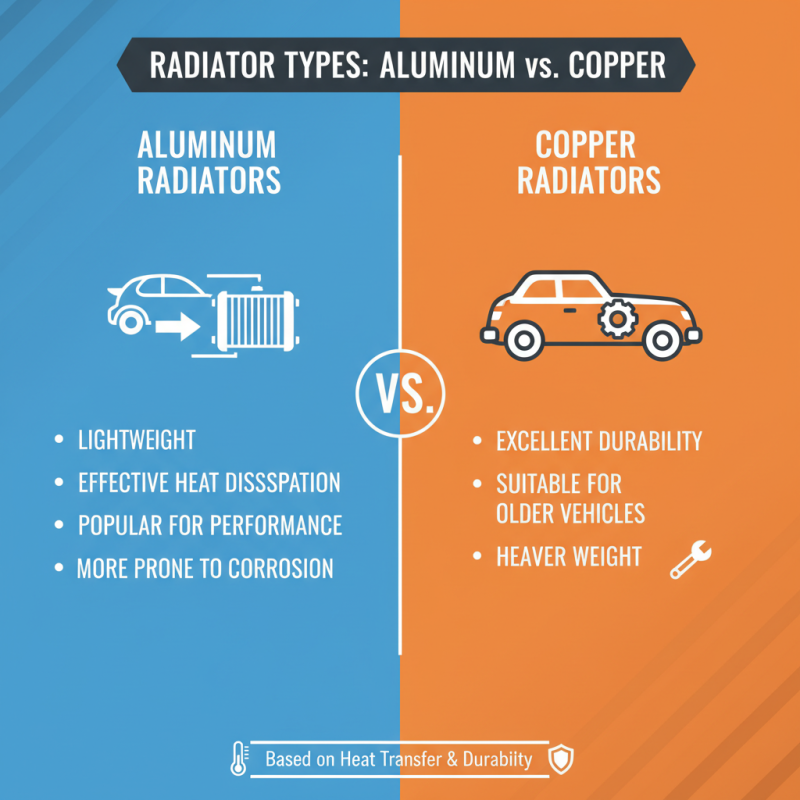
When choosing a vehicle radiator, you often face the choice between aluminum and copper. Aluminum radiators are lightweight and effective. They offer better heat dissipation, making them popular for performance vehicles. However, they can be more prone to corrosion over time. Copper radiators, on the other hand, provide excellent durability. They are significant for older vehicles but add extra weight.
Tips to consider: Think about your vehicle requirements. If you drive a high-performance car, aluminum is likely your best pick. For classic cars, copper may be ideal due to its sturdiness.
Remember, compatibility matters. Ensure the radiator fits your vehicle's specifications. Sometimes, aftermarket options might not align perfectly, leading to issues. Installing a radiator that doesn’t fit can waste time and money. Check all dimensions before purchasing.
Another tip: consider maintenance. Aluminum radiators may require more frequent checks. Regular cleaning helps maintain performance. Compare the long-term care needs of both materials. It’s essential to balance cost with function and longevity.
Evaluating Radiator Size and Capacity for Optimal Performance
Choosing the right vehicle radiator is crucial for maintaining your car's performance. To effectively evaluate radiator size and capacity, consider your car's engine specifications. A larger radiator may seem better, but it must fit your car properly. Too big can restrict airflow; too small can cause overheating.
Tips: Measure your existing radiator. Ensure you have accurate dimensions. Look at your vehicle’s manual for recommended specifications.
Radiator capacity plays a key role in heat dissipation. A radiator that cannot handle your engine's output will lead to failures. Think about your driving habits, too. Frequent towing or off-road driving may require a more robust design.
Tips: Research cooling system requirements. Consult with experts if unsure. An inadequate capacity can result in costly repairs.
In the quest for optimal performance, balance is essential. Don’t just follow trends; prioritize your vehicle’s needs and real-world conditions. Sometimes, the most popular rad may not suit your car at all.
Understanding the Importance of Manufacturer Specifications and Standards
Choosing the right vehicle radiator is essential for your car's performance. Manufacturer specifications play a crucial role in this choice. According to a 2020 industry report, over 30% of vehicles experience engine overheating due to improper radiator selection. This statistic highlights the importance of adhering to the recommended guidelines.
Every vehicle has unique specifications. These dictate the radiator size, type, and cooling capacity. For example, certain models require aluminum radiators while others may need plastic ones. A significant number of owners ignore these details. Ignoring manufacturer standards can lead to compatibility issues and reduce efficiency.
Installation also matters. A poorly installed radiator can lead to leaks and overheating. Research indicates that nearly 25% of radiator failures stem from improper installation. Even a small oversight can have serious consequences. Therefore, understanding and following manufacturer specifications ensures optimal performance and longevity of your vehicle.
 008613968780263

 CONTACT NUMBER
 CONTACT