How to Choose the Right Metal Radiator for Your Home?
Choosing the right metal radiator for your home can be challenging. There are various options available, each with unique features. Your decision impacts comfort and energy efficiency. Metal radiators are popular for their durability and style.
When selecting a metal radiator, consider factors like size and output. Will the radiator fit in the intended space? Is it powerful enough to heat your room? Research different designs. Aesthetic appeal matters, but efficiency cannot be overlooked.
It's important to reflect on your home's needs. Not every radiator fits every situation. You may find that the most stylish option isn't the best for your heating requirements. Take your time. A well-chosen metal radiator can enhance both comfort and decor in your living space.
Understanding the Different Types of Metal Radiators Available
When choosing a metal radiator, it's essential to understand the various types available. Common options include steel, aluminum, and cast iron radiators. Each type has unique characteristics that can affect heating efficiency and aesthetics. For instance, steel radiators are lightweight and heat up quickly, making them ideal for small rooms. On the other hand, cast iron radiators are heavier and can retain heat for longer periods, perfect for larger spaces.
Aluminum radiators stand out due to their modern design and efficiency. They heat up rapidly but may cool down quickly as well. Choosing the right material is crucial. Think about the room's size, design, and your heating needs. It's also worth considering the radiator's installation process. A poorly installed radiator can lead to inefficiencies and high energy costs.
Reflect on how each radiator type fits your home’s style and temperature needs. Sometimes, your initial choice might not work as expected. You might need to experiment with different sizes or materials to find the best fit. Don't hesitate to consult with professionals to guide you through this decision. The right radiator can significantly enhance both comfort and energy efficiency in your space.
How to Choose the Right Metal Radiator for Your Home? - Understanding the Different Types of Metal Radiators Available
| Type of Metal Radiator |
Material |
Efficiency |
Typical Installation Location |
Price Range |
| Steel Panel Radiators |
Steel |
High |
Living Rooms, Bedrooms |
$150 - $500 |
| Cast Iron Radiators |
Cast Iron |
Moderate |
Older Homes, Traditional Areas |
$200 - $700 |
| Aluminum Radiators |
Aluminum |
Very High |
Modern Homes, Open Spaces |
$100 - $400 |
| Copper Radiators |
Copper |
High |
Designer Spaces, Kitchens |
$250 - $800 |
Evaluating the Efficiency and Performance of Metal Radiators
When evaluating metal radiators for your home, consider their efficiency and performance. Metal radiators, particularly those made of steel or aluminum, are known for their excellent heat conduction. This quality ensures rooms heat up quickly and effectively. A well-chosen radiator can lead to substantial energy savings, making it essential to assess their output carefully.
Look into the specific BTU (British Thermal Units) rating each radiator offers. This measure indicates how much heat a radiator can output. A higher BTU rating generally means better heating performance. However, too high a rating can lead to overheating in small spaces. It’s a balance of power and moderation, often requiring some trial and error to find the ideal fit.
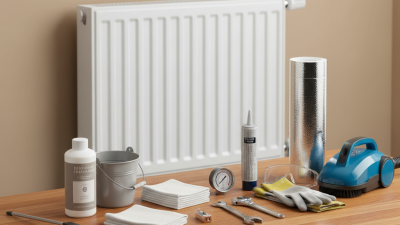
Installation location also impacts efficiency. Placing radiators under windows or in cold spots can enhance heat distribution. Yet, be mindful of obstructions like furniture. They can hinder airflow and reduce overall effectiveness. Regular maintenance is crucial. Dust and debris can accumulate, which may impair performance over time. Finding the right radiator involves careful evaluation of these factors, requiring some reflection and adjustment.
Considering the Size and Space Requirements for Your Radiator
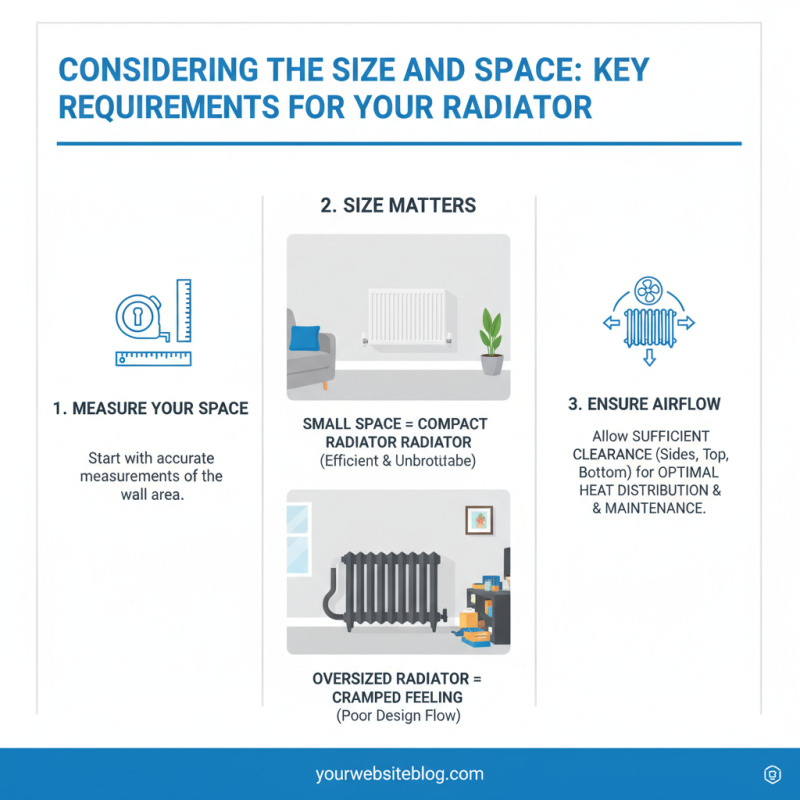
When selecting a metal radiator, size and space matter significantly. Start by measuring the area where you plan to install the radiator. Small spaces require compact radiators that fit snugly without overwhelming the room's design. An oversized radiator can dominate a small area, creating a cramped feeling. Ensure there is sufficient clearance around the radiator for optimal airflow and maintenance.
Consider the overall heating requirements of your space. A larger room may need a more extensive radiator system to maintain a comfortable temperature. However, installation can be complicated if there isn’t enough wall space. Sometimes, existing furniture may block the radiator placement, limiting your options. Assess your room's layout carefully.
Choosing the right size can be a learning process. You might find that the first choice doesn't meet your heating needs. Returning to the drawing board is okay. Explore different models or configurations. Consult professionals for advice if necessary. Their insights can help you avoid common pitfalls and enhance your heating efficiency. Balancing aesthetics with functionality is crucial for long-lasting satisfaction.
Matching Your Home's Aesthetic with Radiator Design Options
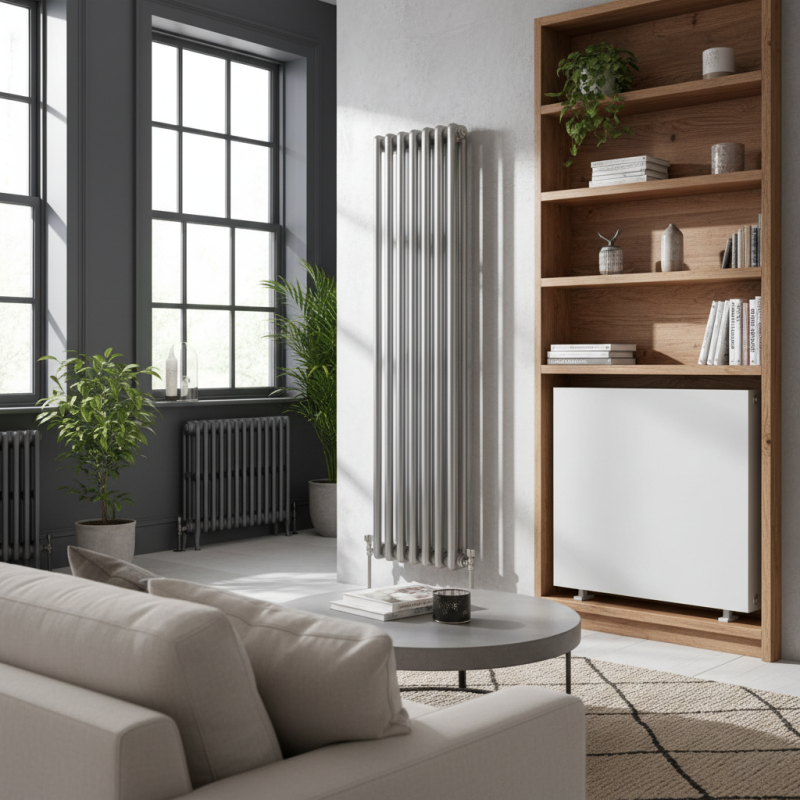
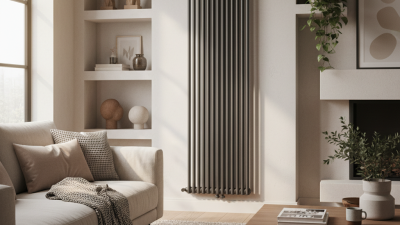
When selecting a metal radiator, it's essential to align its design with your home's aesthetic. Traditional homes may benefit from cast iron radiators, offering a vintage feel. Modern spaces often look best with sleek, flat-panel designs. According to a recent report by the Radiator Institute, about 45% of homeowners prioritize style alongside heat efficiency.
Consider the finish and color of your radiator. Brushed steel can enhance a contemporary look, while painted finishes may suit more eclectic interiors. Data indicates that 30% of homeowners regret their color choice after installation. This reflects the importance of visual harmony.
Placement is also crucial. Exposed radiators can serve as a design statement, while hidden options might keep the focus on other decor. Yet, this may compromise heating efficiency, something designers caution about. Many homeowners don’t realize that choosing the wrong style can detract from a room's overall impact. Strive for a balance between function and visual appeal to achieve the best results.
Assessing Budget and Installation Costs for Metal Radiators
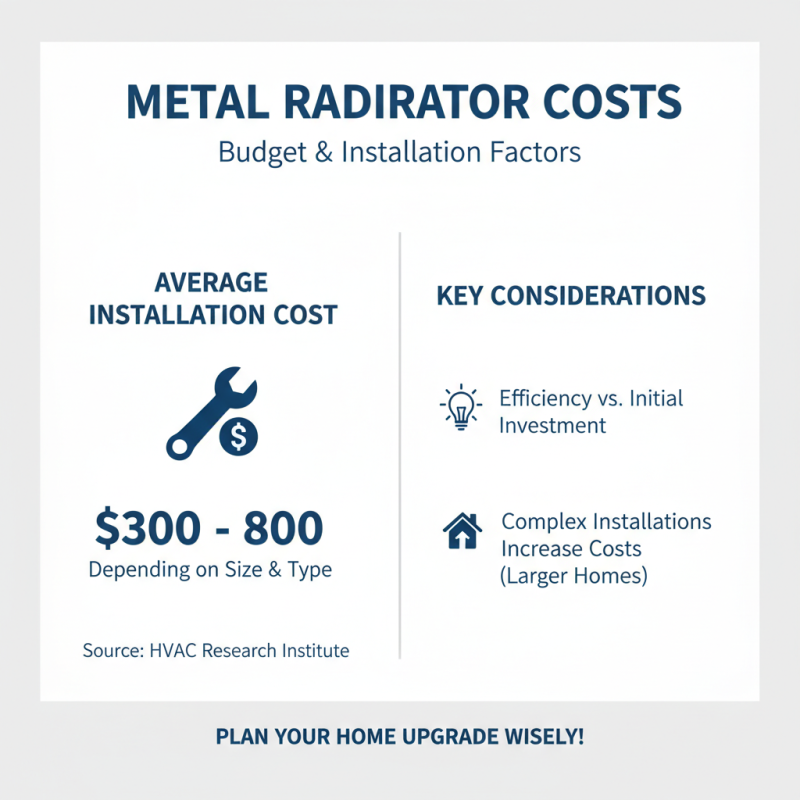
When considering metal radiators, budget and installation costs are critical factors. According to a report by the HVAC Research Institute, the average cost for installing a metal radiator ranges from $300 to $800, depending on size and type. This can be a significant investment, especially for larger homes. Some homeowners strive for efficiency, while others may overlook how initial costs can escalate with complex installations.
Installation might require professional help, adding to expenses. A study by the Residential Energy Services Network shows that labor costs can account for up to 50% of total installation fees. Choosing to DIY may save money, yet it risks improper fitting or inefficient heating. The type of metal also influences the price. Cast iron tends to be more expensive but offers better heat retention than steel.
Keep in mind the long-term benefits versus initial costs. Metal radiators can last decades and improve energy efficiency. However, not everyone considers future savings. Homeowners should weigh current finances against potential energy bills. Balancing upfront costs with future value is often challenging yet necessary for a wise investment.
 008613968780263

 CONTACT NUMBER
 CONTACT