How to Choose the Right Metal Push Button for Your Project?
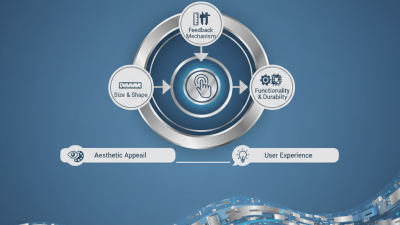
Choosing the right Metal Push Button for your project can be a challenging task. With so many options available, it’s essential to consider several factors. Your choice impacts functionality, aesthetics, and user experience. Each project has unique requirements, which means there is no one-size-fits-all solution.
Metal Push Buttons are known for their durability and reliability. They offer a pleasing tactile response, making user interaction satisfying. If a button feels off, it can detract from the overall quality of the project. Pay attention to the button's design and finishing. An eye-catching button can elevate a product significantly. However, too much emphasis on aesthetics may compromise functionality.
Take your time exploring the specifications of different Metal Push Buttons. Look for features like environmental resistance and electrical ratings. Understand the demands of your application. A wrong choice might lead to frequent failures or costly repairs. Striking a balance between practicality and style is difficult but crucial. Your design reflects your commitment to quality. Consider user feedback, as it often reveals areas for improvement in button selection.
Understanding Different Types of Metal Push Buttons
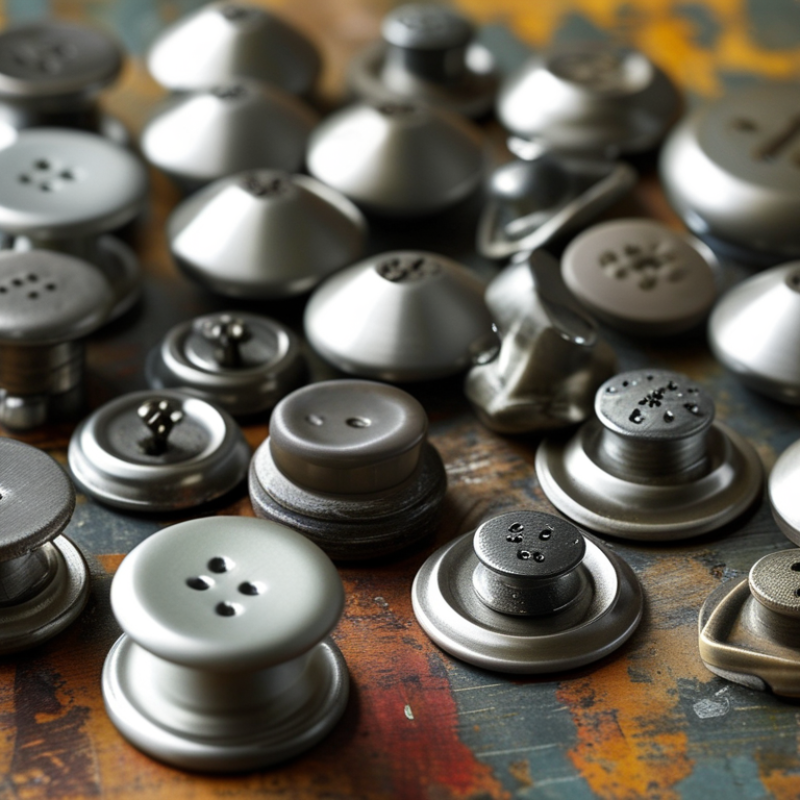
When selecting a metal push button, understanding the types available is crucial. Metal push buttons are categorized primarily as momentary and maintained switches. Momentary buttons operate only while pressed. They're common in control panels where temporary activation is needed. Maintained buttons, on the other hand, stay in their last position until pressed again. This distinction affects usability significantly.
According to a recent industry report, the demand for metal push buttons is expected to grow by 6% annually. This growth is driven by trends in automation and user-interface design. Key specifications to consider include material type, size, and electrical ratings. Stainless steel offers durability and resistance to corrosion, making it a popular choice. Size matters for both aesthetics and functionality. Proper sizing ensures compatibility and ease of use.
Real-world applications reveal the complexity of choosing the right button. For instance, a button that works in one setting may not perform well under different conditions. High-temperature environments might require specialized components. Identifying these requirements is crucial. Conducting tests in relevant conditions can prevent costly mistakes. Understanding the unique properties of various push buttons allows for more informed decisions. This reduces the chances of project delays and enhances overall project reliability.
Evaluating Project Requirements for Button Selection
When selecting a metal push button for a project, evaluating the specific requirements is crucial. Industrial reports indicate that 70% of project failures stem from inadequate specification. Factors influencing choice include environmental conditions, durability, and user interaction.
Understanding the environment is vital. For instance, high humidity or extreme temperatures may necessitate a button with specific protection ratings, such as IP67. A button meeting this standard can withstand dust and water, ensuring longevity. Furthermore, the material must be considered. Stainless steel is popular due to its corrosion resistance, while brass offers aesthetic appeal but may degrade faster.
User interaction is another critical factor. Reports show that buttons requiring excessive force can be uncomfortable, affecting usability. Ideally, the actuation force should be between 2 to 5 Newtons for optimal user experience. Balancing durability with ease of use is key. Reflecting on these elements can lead to a more informed choice that aligns with project objectives.
Comparing Material Options for Durability and Aesthetics
When selecting metal push buttons, material choices greatly impact durability and aesthetics. Stainless steel is a popular option due to its strength and rust resistance. It can withstand harsh environments, making it ideal for outdoor applications. However, its reflective surface may not suit every design.
Aluminum offers a lightweight alternative, often available in various finishes. This versatility gives it broader design applicability, though it might not endure extreme conditions as well as stainless steel.
Brass is another eye-catching choice. It develops a natural patina over time, which can enhance its character. Still, this aging process may not appeal to everyone. In contrast, anodized aluminum provides vibrant colors, allowing for a striking visual effect. However, its coating can wear off, which may require replacements in high-use scenarios.
Ultimately, selecting the right material requires balancing durability with visual appeal. Consider the specific demands of your project, including environment and frequency of use. Reflecting on these details can guide thoughtful choices. Each option offers unique benefits and potential drawbacks. Your final decision should align with both functional requirements and aesthetic goals.
Assessing Electrical Specifications and Compatibility
When choosing a metal push button for your project, electrical specifications play a crucial role. According to industry research, nearly 70% of failures in electrical systems are linked to improper component selection. Understanding voltage ratings, current capacity, and contact configuration is vital for ensuring performance and safety. For example, standard voltage ratings range from 12V to 600V, while current capacities can vary from microamperes to several amps.
Compatibility is another critical aspect. Push buttons must align with your overall system design. This includes assessing the environmental conditions they will face. Studies indicate that around 40% of push button failures result from environmental stressors such as humidity, temperature, and physical impact. Selecting a button rated for specific operating conditions will enhance reliability.
Electrical ratings must be matched with your circuit's requirements. This prevents overheating or premature failure. Consider the installation space as well. Some designs offer a more compact profile, suitable for tight environments. Reflecting on user ergonomics may also help improve usability. Always review your design to ensure all elements work harmoniously together, acknowledging that even minor oversights can lead to significant issues.
How to Choose the Right Metal Push Button for Your Project
This chart shows the compatibility of various metal push buttons according to their electrical specifications. The data reflects common ratings and how they align with project requirements.
Considering Environmental Factors and Button Ratings
When selecting a metal push button for your project, environmental factors play a critical role. For instance, buttons exposed to harsh conditions must endure moisture, dust, and extreme temperatures. According to industry reports, devices in these environments can fail if not properly rated. The IP (Ingress Protection) rating system is essential. A button rated IP67 can withstand dust and immersion in water up to one meter.
Button ratings also refer to actuation force and cycle life. A study indicates that push buttons endure an average of 1 million cycles in standard environments. However, this number drops in extreme conditions. Therefore, choosing a button with a higher actuation force may be necessary for applications facing significant wear and tear. These choices significantly impact the longevity and functionality of your project.
It's vital to gather insights from various sources before making a decision. Some manufacturers publish detailed specifications, but discrepancies can exist. Understanding the specific environmental pressures your project will face is key. This knowledge informs your selection, ensuring that you choose components that will not only fit well but also perform reliably over time.
How to Choose the Right Metal Push Button for Your Project? - Considering Environmental Factors and Button Ratings
| Button Type |
Environmental Rating |
Max Voltage |
Max Current |
Material |
| Standard Push Button |
IP65 |
230V |
5A |
Stainless Steel |
| Illuminated Push Button |
IP67 |
12V |
2A |
Aluminum |
| Rugged Push Button |
IP69K |
48V |
10A |
Brass |
| Sealed Push Button |
IP68 |
24V |
8A |
Nylon |
 008613968780263

 CONTACT NUMBER
 CONTACT