Why Choose Pushbutton Switches for Your Project Needs?
Pushbutton Switches have become a staple in modern electronics. These small devices offer convenience and functionality that can transform your projects. Their simplicity makes them popular among engineers and hobbyists alike.
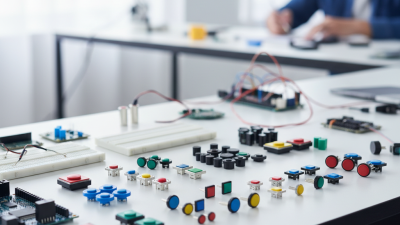
Using Pushbutton Switches allows for easy operation in various settings. They come in different sizes, colors, and styles, catering to diverse needs. You can find them in everything from household appliances to advanced machinery. This adaptability is one reason why they stand out. However, not every pushbutton is created equal. Some may falter under heavy use, leading to frustration.
Think about your project’s requirements carefully. Selecting the right Pushbutton Switch can be a challenge. Quality varies significantly between manufacturers. Researching features such as durability and response time is crucial. A well-informed choice can enhance your project's overall performance while saving time and effort down the line.
Understanding Pushbutton Switches: An Overview
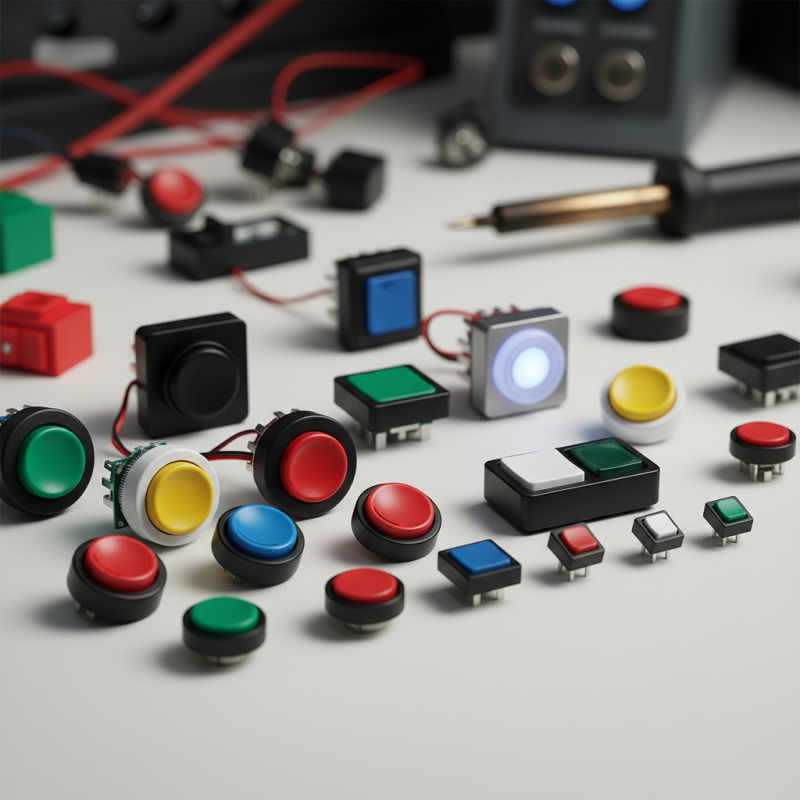
Pushbutton switches are versatile components widely used in electronic devices. They enable user control through simple actuation. These switches serve various functions, from turning devices on and off to initiating complex processes. Their design is intuitive, making them easy to use for all types of users.
There are different types of pushbutton switches available. Some are momentary, while others are latching. Momentary switches only work while pressed. Latching switches remain in their last state until toggled again. This variety caters to different project needs. However, selecting the right type can sometimes feel overwhelming. It requires careful consideration of the application and user interaction.
Moreover, users often overlook the importance of tactile feedback. A satisfying click can enhance the user experience. But not all switches provide good feedback. Choosing a switch with poor feedback may lead to user frustration. Evaluating options based on the intended environment is also crucial. Factors like durability, resistance to dust, and moisture can significantly affect performance. Ultimately, understanding these details ensures better decision-making.
Pushbutton Switches Popularity in Various Applications
Key Advantages of Pushbutton Switches in Projects
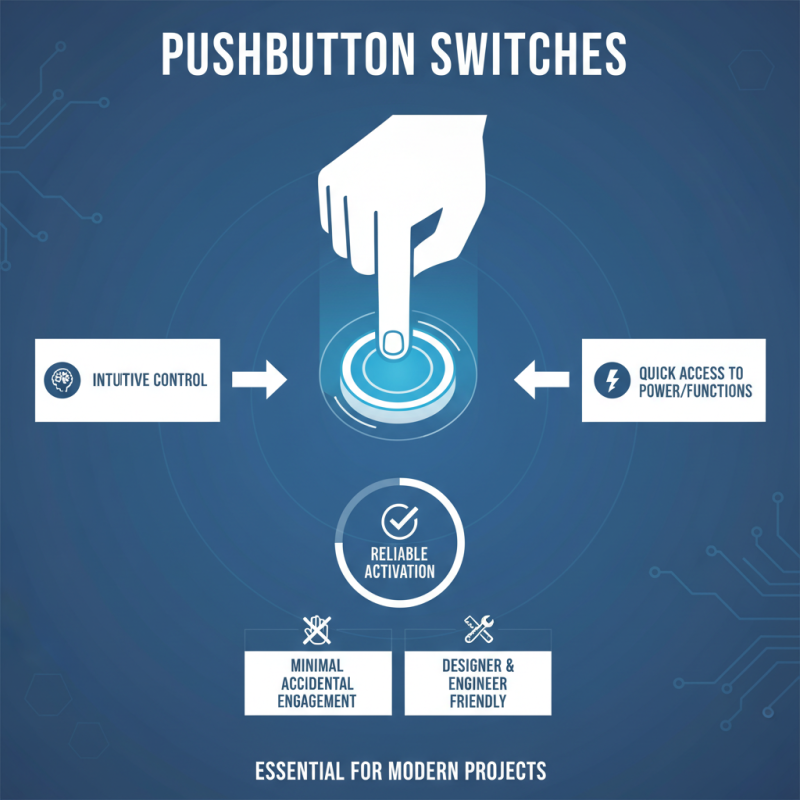
Pushbutton switches are essential components in many modern projects. They are intuitive and straightforward to use. This simplicity attracts designers and engineers alike. When working on intricate designs, quick access to power or functions is critical. Pushbutton switches offer a reliable solution. Just a firm press engages the function, minimizing the chances of accidental activation.
One key advantage of pushbutton switches is their durability. These switches can withstand numerous cycles of pressing. In demanding environments, consistency in performance matters. They can operate in varied temperatures and conditions. Proper sealing allows them to resist dust and moisture. However, it's important to choose the right type for specific projects. Not all pushbutton switches are equal. Some may fail under extreme conditions. Thus, research and testing are crucial.
Another benefit is their versatility. Pushbutton switches can fit various applications. From simple light control to complex machinery, they serve numerous functions. Their design allows customization to meet project specifications. Often, it’s the little details that enable enhanced usability. However, potential limitations exist. For example, they may not be ideal for applications requiring frequent use. It’s essential to evaluate user needs before finalizing a design. Thoughtful consideration can lead to better project outcomes.
Common Applications of Pushbutton Switches in Various Industries
Pushbutton switches find extensive use across various industries due to their practicality and reliability. In manufacturing, they are often employed in control panels. Operators can quickly stop or start machinery with a simple press. This immediate response enhances workflow efficiency. However, in high-demand environments, wear and tear can occur. It's important to regularly inspect these switches to prevent unexpected downtime.
In the automotive sector, pushbutton switches play a critical role in vehicle functions. They control features like lights, wipers, and ignition. Their compact design fits seamlessly in dashboards. Yet, they can present challenges. Misplaced buttons can lead to driver confusion. Proper ergonomic design must be considered to improve user experience.
Healthcare applications also benefit from pushbutton switches. These devices are found in medical equipment, providing quick access to essential functions. However, cleanliness is vital in these settings. Regular cleaning protocols are necessary to maintain hygiene and functionality. Neglecting maintenance can compromise both safety and performance.
Factors to Consider When Choosing Pushbutton Switches
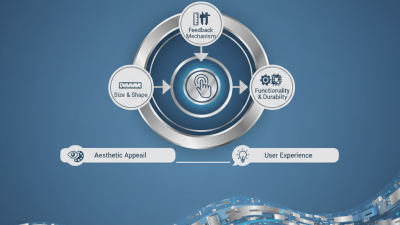
When selecting pushbutton switches, various factors come into play. The operating mechanism is crucial. Some switches offer tactile feedback, while others provide a silent operation. Users may prefer one over the other, depending on their project needs.
Durability is another essential aspect. According to a report by the Electric Switches Association, some switches can withstand over 10 million cycles. This is vital for projects requiring frequent use. However, not all options offer this level of longevity. It’s worth investigating the ratings and materials used.
Switch size and design also matter. Compact designs are ideal for space-constrained projects. However, they may compromise on ease of use. Conversely, larger switches can be easier to manipulate but may not fit in tighter spaces.
Consider the environment where the switch will operate. Factors like temperature, humidity, and exposure to dust can affect performance. Choosing a model with the right seals and ratings is vital. Some switches fail prematurely in harsh conditions, leading to unexpected project delays. Always review the specifications thoroughly to ensure the selection meets all requirements.
Why Choose Pushbutton Switches for Your Project Needs? - Factors to Consider When Choosing Pushbutton Switches
| Feature |
Description |
Importance |
| Durability |
Resistance to wear and tear, allows for long life in various conditions. |
High |
| Size |
Available in various sizes to fit different applications. |
Medium |
| Electrical Rating |
Rated for specific voltage and current, ensuring compatibility with devices. |
High |
| Mounting Type |
Different mounting options such as panel mount or PCB mount. |
Medium |
| Illumination |
Some switches feature backlighting for visibility in low light. |
Low |
| Feedback |
Tactile feedback enhances user experience when operated. |
High |
Comparative Analysis: Pushbutton Switches vs. Other Switch Types
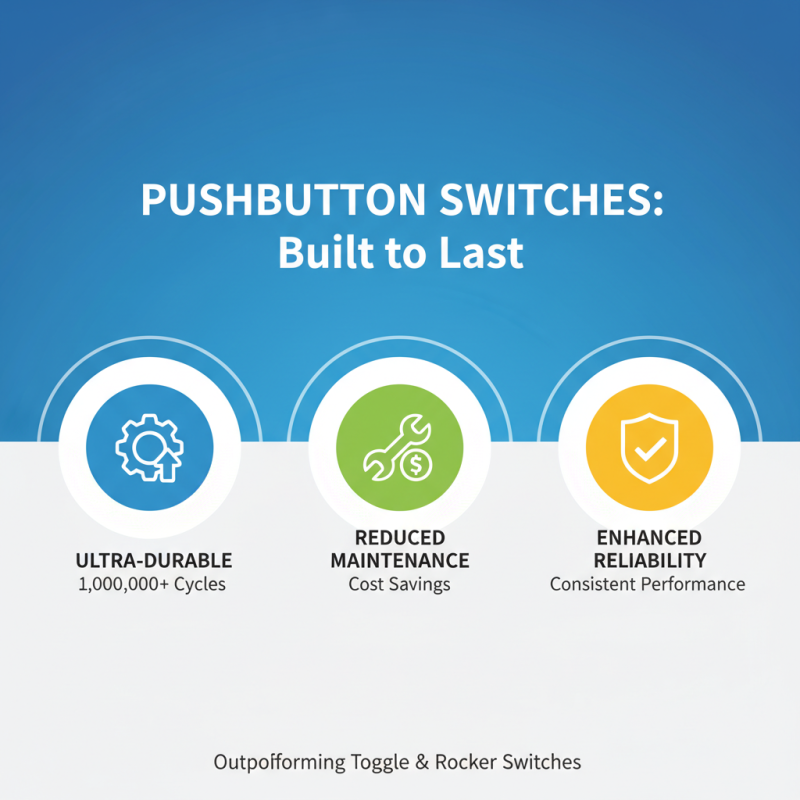
Pushbutton switches represent a popular choice in various applications. Their benefits often outweigh those of traditional toggle and rocker switches. A recent industry report indicates that pushbutton switches can offer a lifespan of over one million cycles, significantly more than the average 50,000 cycles for other types. This durability translates to reduced maintenance costs and increased reliability for projects.
In terms of usability, pushbutton switches provide tactile feedback. This feedback can confirm that the switch is activated, which is crucial in high-speed operations. Moreover, their compact design allows for easier integration in tight spaces. While toggle switches may be easier to use in certain scenarios, they lack the modern aesthetic and functionality provided by pushbutton switches. The ergonomic design of pushbutton switches is also worth noting; they are often easier to operate for users with limited dexterity.
However, not all applications require pushbutton switches. Some might find them overly sensitive or difficult to operate in certain environments. Sometimes, the versatility of toggle switches is more practical in rugged conditions. Evaluating specific project needs is essential to determine the best fit. Industry experts emphasize the importance of considering factors like environmental challenges and user interaction.
 008613968780263

 CONTACT NUMBER
 CONTACT