What is an Aluminum Heat Sink and How Does It Work?
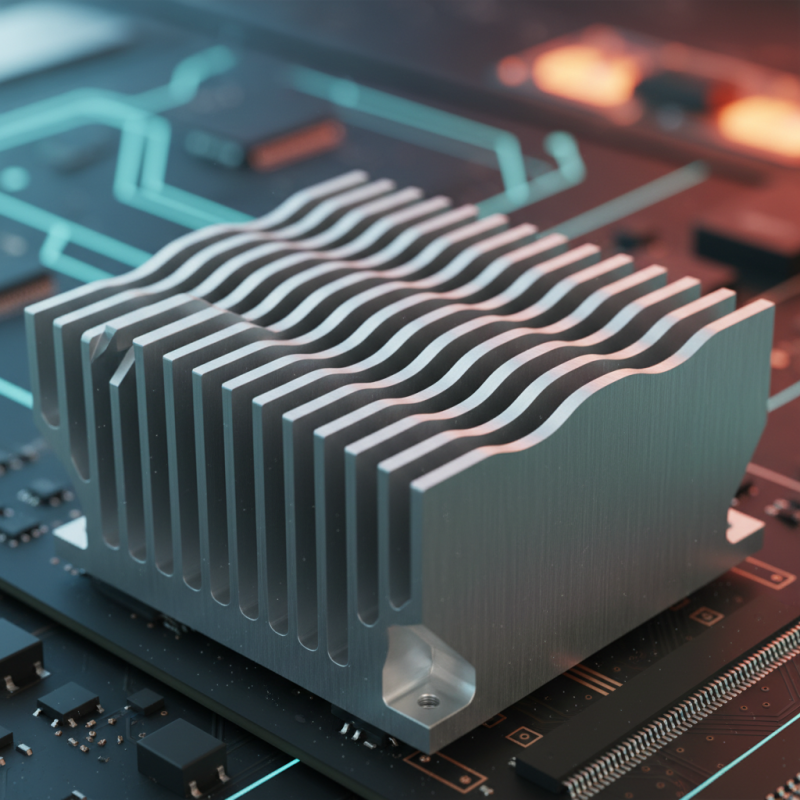
An Aluminum Heat Sink is a vital component in modern electronics. It effectively dissipates heat generated by various devices, ensuring they operate efficiently. These heat sinks are usually crafted from aluminum due to its excellent thermal conductivity. Unlike other materials, aluminum strikes a balance between weight, cost, and performance.
Understanding how an Aluminum Heat Sink works helps us appreciate its role in preventing overheating. The design features fins or ridges that increase surface area, allowing better airflow. This maximizes heat dissipation into the surrounding air. However, not all designs work perfectly. Factors like dust accumulation and improper installation can hinder efficiency. Reflecting on these issues encourages better practices in heat management.
Definition of Aluminum Heat Sink and Its Applications
Aluminum heat sinks are essential components in various electronic applications. Their primary function is to dissipate heat generated by electronic devices, such as CPUs and LED lights. Aluminum is lightweight, corrosion-resistant, and has excellent thermal conductivity, making it a popular choice for heat sinks.
The design of an aluminum heat sink typically includes fins or extended surfaces. These features increase the surface area, allowing for more efficient heat dissipation. Common applications include computers, power amplifiers, and automotive electronics, where managing heat is crucial for performance and longevity. In many cases, the absence of adequate heat sinks can lead to malfunction or reduced efficiency.
While aluminum heat sinks are widely used, their effectiveness can vary based on design and application. For instance, a poorly designed heat sink may not dissipate heat effectively, causing components to overheat. It's vital to consider factors like airflow and mounting orientation in the design process. Even experienced engineers occasionally overlook such details, leading to challenges in heat management.
Aluminum Heat Sink Applications and Efficiency
The Importance of Heat Sinks in Electronic Devices
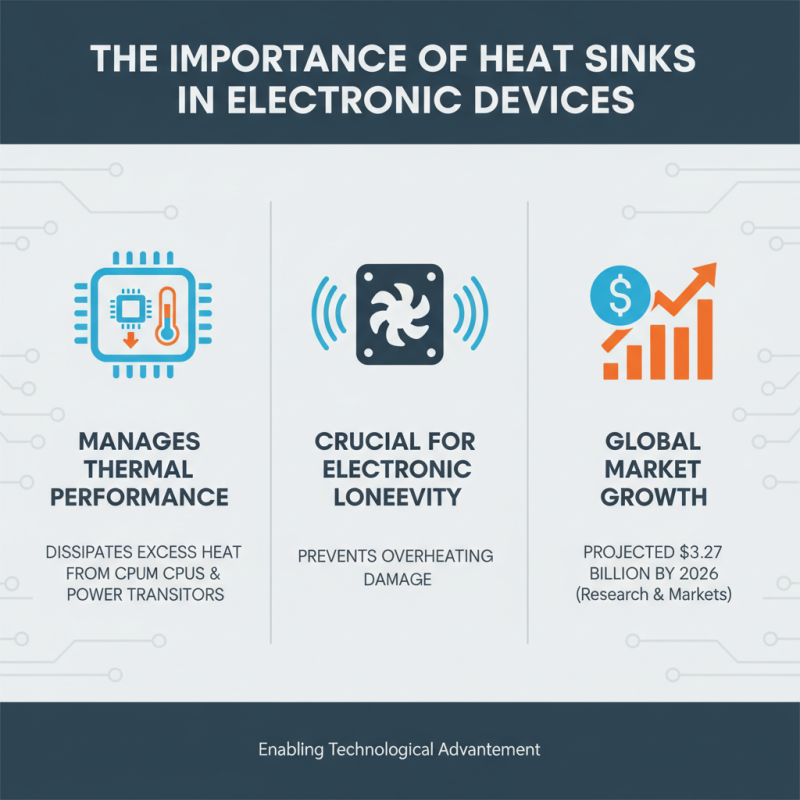
Heat sinks play a vital role in managing the thermal performance of electronic devices. They dissipate excess heat generated by components such as CPUs and power transistors. A study by Research and Markets predicts the global heat sink market will reach $3.27 billion by 2026, reflecting its importance in tech advancement.
Aluminum heat sinks are preferred in many designs due to their lightweight and excellent thermal conductivity. They can reduce temperatures significantly, which helps prevent overheating. Devices that run too hot may malfunction. In fact, overheating can reduce the lifespan of essential components by up to 50%. This statistic highlights why effective heat management is not just beneficial, but essential.
However, heat sink design is not without challenges. Factors such as airflow and dust accumulation can hinder performance. Engineers often overlook these elements during initial design phases. Heat sinks must be regularly evaluated to ensure optimal efficiency. Continuous innovation is required to address these obstacles, making heat sinks a critical focus in electronics development.
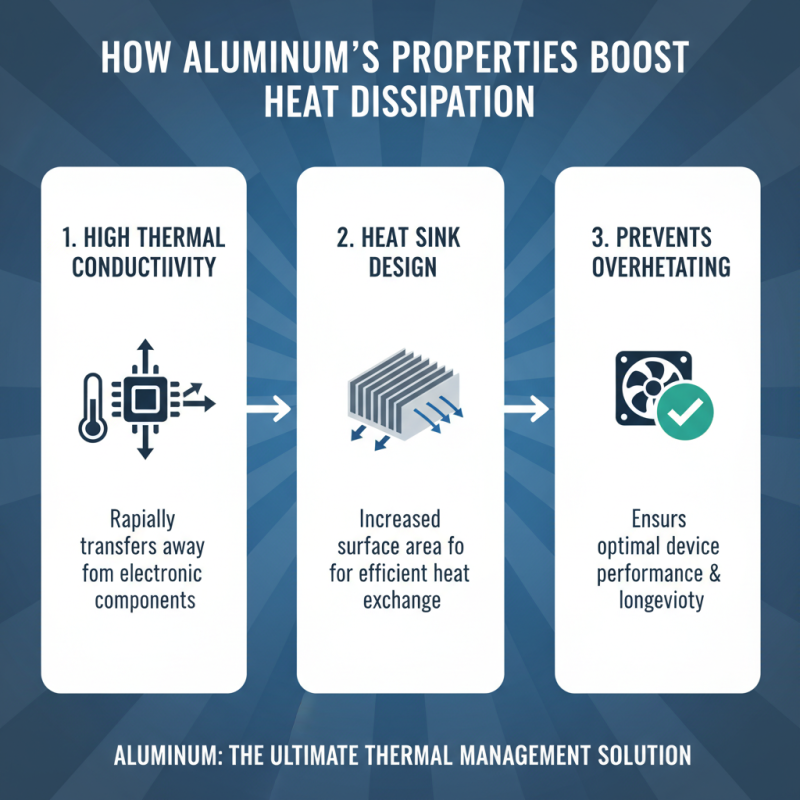
How Aluminum’s Properties Enhance Heat Dissipation
Aluminum heat sinks play a crucial role in thermal management. They are designed to dissipate heat from electronic components, ensuring optimal performance. Aluminum's thermal conductivity is a key factor here. This metal can easily transfer heat, preventing overheating in devices.
The surface area of an aluminum heat sink often features fins. These fins increase exposure to air, enhancing heat dissipation. The design allows warm air to rise, drawing in cooler air. It's fascinating how something so simple can be so effective. Yet, this effectiveness can be compromised if the heat sink is poorly designed or not cleaned regularly.
Durability is another property of aluminum. It can withstand high temperatures and resist oxidation. However, this doesn't mean that it is perfect. Over time, aluminum can corrode or degrade, especially in harsh environments. This reality necessitates regular maintenance and thoughtful application in critical areas. Reflecting on these aspects helps optimize the use of aluminum in heat sinks.
Mechanisms of Heat Transfer in Aluminum Heat Sinks
Aluminum heat sinks are essential components in managing heat in electronic devices. They operate through three primary mechanisms of heat transfer: conduction, convection, and radiation. Conductive heat transfer occurs when heat moves from the electronic component to the heat sink. This process is crucial for effective cooling.
Convection plays a significant role in heat dissipation. As air flows over the fins of the heat sink, it absorbs thermal energy. The design of the heat sink can influence airflow, affecting how efficiently heat is removed. When the air warms up, it rises, creating a natural circulation pattern that enhances cooling. This is important, but sometimes the real-world airflow may not be optimal.
Radiation also contributes to heat transfer, albeit to a lesser degree. Heat energy can escape from the surfaces of the heat sink into the surrounding environment. This radiation process relies on surface area and temperature differences. However, in practical applications, factors like dust accumulation can hinder performance. Effective cleaning and maintenance are often overlooked, which can lead to subpar cooling results.
What is an Aluminum Heat Sink and How Does It Work? - Mechanisms of Heat Transfer in Aluminum Heat Sinks
| Property |
Value |
| Material |
Aluminum |
| Thermal Conductivity |
200 W/m·K |
| Density |
2.70 g/cm³ |
| Specific Heat Capacity |
0.897 J/g·K |
| Heat Sink Efficiency |
85% |
| Common Applications |
Electronics, LED Lighting, Automotive Cooling |
| Manufacturing Processes |
Extrusion, Machining, Die Casting |
Factors Influencing the Efficiency of Heat Sinks
Aluminum heat sinks play a crucial role in dissipating heat from electronic components. Their efficiency can be influenced by several factors. The design and structure of the heat sink matter significantly. A larger surface area allows more heat to escape. Fins and grooves help increase airflow around the sink, enhancing cooling.
Material quality also plays a role. Aluminum, while popular, is not always the best choice. Some heat sinks use copper for better thermal conductivity. However, copper is heavier and more expensive. So, finding the right balance between cost and efficiency is essential.
Consider these tips:
Ensure proper fitment. A heat sink must contact the component surface correctly. Poor contact leads to heat buildup.
Use thermal paste. It fills microscopic gaps and improves heat transfer. Without it, performance drops.
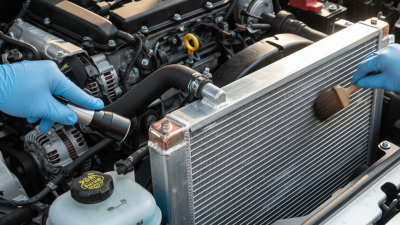
Lastly, airflow is critical. A heat sink needs ambient air to function well. Strategically placed fans can help. But over time, dust can block airflow. Regular cleaning is necessary. These simple practices can significantly improve cooling efficiency.
 008613968780263

 CONTACT NUMBER
 CONTACT